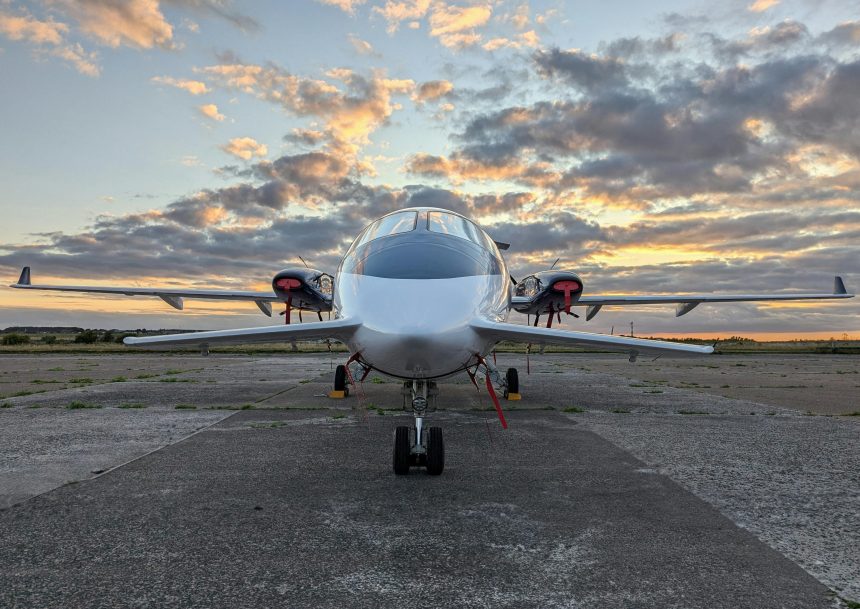
The aviation industry is undergoing a significant transformation as environmental concerns move to the forefront of global priorities. With air travel demand continuing to grow, manufacturers and airlines alike are rethinking how aircraft are designed, built, and operated. Sustainability is no longer a secondary consideration. It has become a central objective driving innovation across engineering, materials science, and operational strategy. Modern aircraft are being redesigned with the goal of reducing emissions, improving fuel efficiency, and minimizing environmental impact without compromising performance or safety.
Advanced Aerodynamics and Fuel Efficiency
One of the most impactful ways aircraft are becoming more sustainable is through improved aerodynamic design. Engineers are focusing on reducing drag and increasing lift efficiency, which directly lowers fuel consumption. Sleeker fuselage shapes, redesigned wings, and smoother surfaces all play a role in enhancing performance.
Wing design, in particular, has seen notable innovation. Longer, more flexible wings help aircraft glide more efficiently through the air. Concepts like blended wing bodies, where the wings and fuselage merge seamlessly, are being explored as a way to further reduce resistance. These designs allow aircraft to use less fuel over long distances, cutting down on carbon emissions significantly.
Even small changes can have measurable effects. Manufacturers are refining details like winglets and surface coatings that reduce friction. When combined, these improvements contribute to a more efficient flight profile and a lower environmental footprint.
Sustainable Materials and Manufacturing
Another key area of advancement lies in the materials used to construct modern aircraft. Traditional aluminum structures are increasingly being replaced or supplemented with lightweight composites such as carbon fiber reinforced polymers. These materials are not only stronger but also significantly lighter, which results in better fuel efficiency.
Sustainability is also being addressed at the manufacturing stage. Aerospace companies are adopting greener production methods, reducing waste, and incorporating recycled materials where possible. Digital manufacturing techniques like additive manufacturing, often referred to as 3D printing, enable precise construction with minimal excess material.
In maintenance environments, equipment innovations also play a role in sustainability. Tools such as modern tripod jacks for aircraft systems are being designed with improved stability and efficiency, allowing for safer and quicker servicing. This reduces downtime and energy use in maintenance operations while supporting the broader sustainability goals of the aviation sector.
Alternative Fuels and Propulsion Systems
Fuel is one of the largest contributors to aviation emissions, making it a primary focus for innovation. Sustainable aviation fuels, often derived from renewable resources like plant oils or waste materials, are being developed as a cleaner alternative to traditional jet fuel. These fuels can significantly reduce lifecycle carbon emissions without requiring major modifications to existing aircraft engines.
Beyond fuel alternatives, entirely new propulsion systems are being explored. Electric and hybrid-electric aircraft are gaining attention, especially for shorter routes. While current battery technology limits their range, ongoing research is steadily improving feasibility. Hydrogen-powered aircraft are another promising avenue, offering the potential for zero carbon emissions at the point of use.
Airlines are also investing in more efficient engine designs that burn fuel more cleanly and quietly. These next-generation engines contribute to reduced environmental impact while maintaining the high performance standards expected in commercial aviation.
Smarter Flight Operations and Air Traffic Management
Sustainability in aviation is not limited to aircraft design. Operational improvements are equally important. Airlines and air traffic control systems are leveraging advanced data analytics and automation to optimize flight paths, reduce delays, and minimize unnecessary fuel burn.
More efficient routing allows aircraft to avoid congestion and take more direct paths to their destinations. Continuous descent approaches, for example, enable planes to land more smoothly while using less fuel. Ground operations are also being optimized, with electric taxiing systems reducing the need for engine use while on the runway.
Digital technologies are enabling better communication between pilots, airlines, and air traffic controllers. These systems help ensure that each flight is conducted as efficiently as possible, which contributes to overall emission reductions across the industry.
Cabin Design and Passenger Experience
Sustainability efforts extend into the passenger cabin as well. Airlines are redesigning interiors to be lighter and more efficient while maintaining comfort. Seats, overhead bins, and even in-flight service equipment are being rethought to reduce weight and waste.
Eco-friendly materials are increasingly being used for cabin components, including recycled plastics and sustainably sourced fabrics. Some airlines are also reducing single-use plastics and adopting more sustainable catering practices.
Improved cabin design can also enhance energy efficiency. Advanced lighting systems, better insulation, and smarter climate control technologies contribute to lower energy consumption during flights. These changes not only benefit the environment but also improve the overall travel experience for passengers.
Conclusion
The shift toward sustainable aviation is reshaping every aspect of aircraft design and operation. From aerodynamic improvements and advanced materials to alternative fuels and smarter flight management, the industry is embracing innovation to meet environmental challenges head-on. While there is still progress to be made, the direction is clear. Modern aircraft are being reimagined to support a cleaner, more efficient future for air travel. As technology continues to evolve, these efforts will play a crucial role in ensuring that aviation remains both viable and responsible in the years ahead.