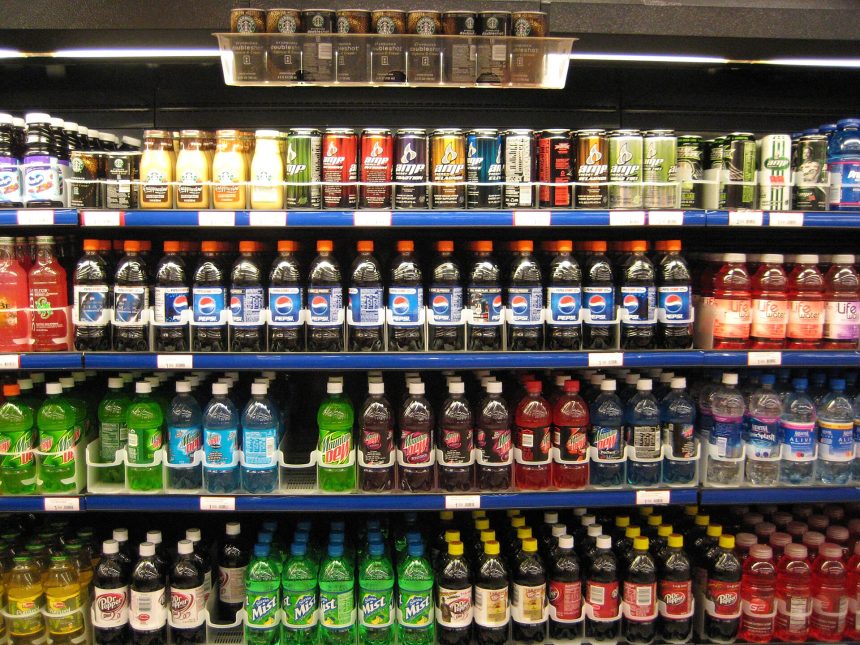
Nine in ten research papers that dispute the definition of ultra-processed foods have ties to the food industry, according to a new study that is likely to intensify debate about how such foods should be labelled and regulated. The finding does not settle whether the ultra-processed category is scientifically sound, but it raises a familiar question in nutrition science: how much of a scholarly argument is shaped by who funded or supported the people making it.
At the centre of the debate is the NOVA classification, a system developed by researchers in Brazil that sorts foods into four groups by the extent and purpose of processing. Group four, ultra-processed foods, covers industrial formulations such as soft drinks, packaged snacks, reconstituted meats and many ready meals. NOVA is widely used in research and has influenced dietary guidance in several countries, even though critics say some of its boundaries are imprecise.
What the new study actually found
The researchers examined papers that challenged the NOVA definition or its use in policy and checked their authors for industry connections, such as funding, consultancy, employment or affiliations disclosed in the papers and related records. About nine in ten of those critical papers had at least one such tie. The study’s point is about the balance of the published argument: if most visible opposition comes from connected authors, the debate can look more evenly divided than the wider field actually is.
Journals, for their part, are under growing pressure to make declarations of interest machine-readable and linked to author records across papers, so that patterns like the one reported here can be detected routinely rather than only when a research team goes looking for them. Transparency that has to be hunted for is only half transparent.
Some defenders of the critical papers respond that expertise naturally sits inside industry, because that is where many food scientists work, and that excluding them would impoverish the discussion. There is force in that point. Journals generally manage it through disclosure and peer review rather than exclusion, which is why accurate, complete declarations of interest are the mechanism this debate keeps returning to.
Why labelling is where this lands
The practical arena is labelling. Regulators in several countries are considering whether ultra-processed status should appear on packs, sit alongside nutrient warnings, or inform dietary guidelines. The US Food and Drug Administration and other agencies have been reviewing front-of-pack information, and how a category is defined decides which products are flagged. A definition that is challenged in journals today can therefore shape what a shopper sees on a shelf tomorrow.
Professional bodies have weighed in on the wider question of how nutrition evidence should be communicated. Their guidance tends to stress absolute rather than relative risks, clear statements of uncertainty, and a distinction between hazard and everyday exposure. Applied to ultra-processed foods, that means reporting population-level associations honestly without turning every packaged product into a scare story, and without dismissing consistent findings merely because they are observational in design.
For consumers, the study’s most useful message is about reading research news carefully. Check whether a headline rests on one paper or a body of evidence, whether funding was declared, and whether independent experts quoted in coverage agree. Be especially wary of claims that a single study proves a food is safe or dangerous. Nutrition science is genuinely difficult, because people eat whole diets over decades, not single ingredients in laboratory conditions.
A cautious conclusion
The new study will not end the argument over ultra-processed foods, and it should not be asked to. What it does is document, with numbers, a concentration of industry ties on one side of a definitional dispute that influences labelling and dietary guidance. Policymakers can respond with better disclosure rules and more independent research funding without needing to declare the underlying science settled in either direction.
Patients and shoppers who want personalised guidance should still turn to their own clinician or dietitian, who can account for medical history, culture, budget and preference in a way no population study can. Population evidence sets the background, but individual decisions are individual. Keeping that distinction clear protects both good science and good sense.