The renewal letter used to be a formality. Now it is a shock arriving in millions of mailboxes: home insurance premiums rising by percentages that dwarf inflation, in places that have never flooded, burned or blown down. The repricing documented across our property insurance coverage is the climate crisis expressed as an invoice — and actuaries warn the letters will keep coming.
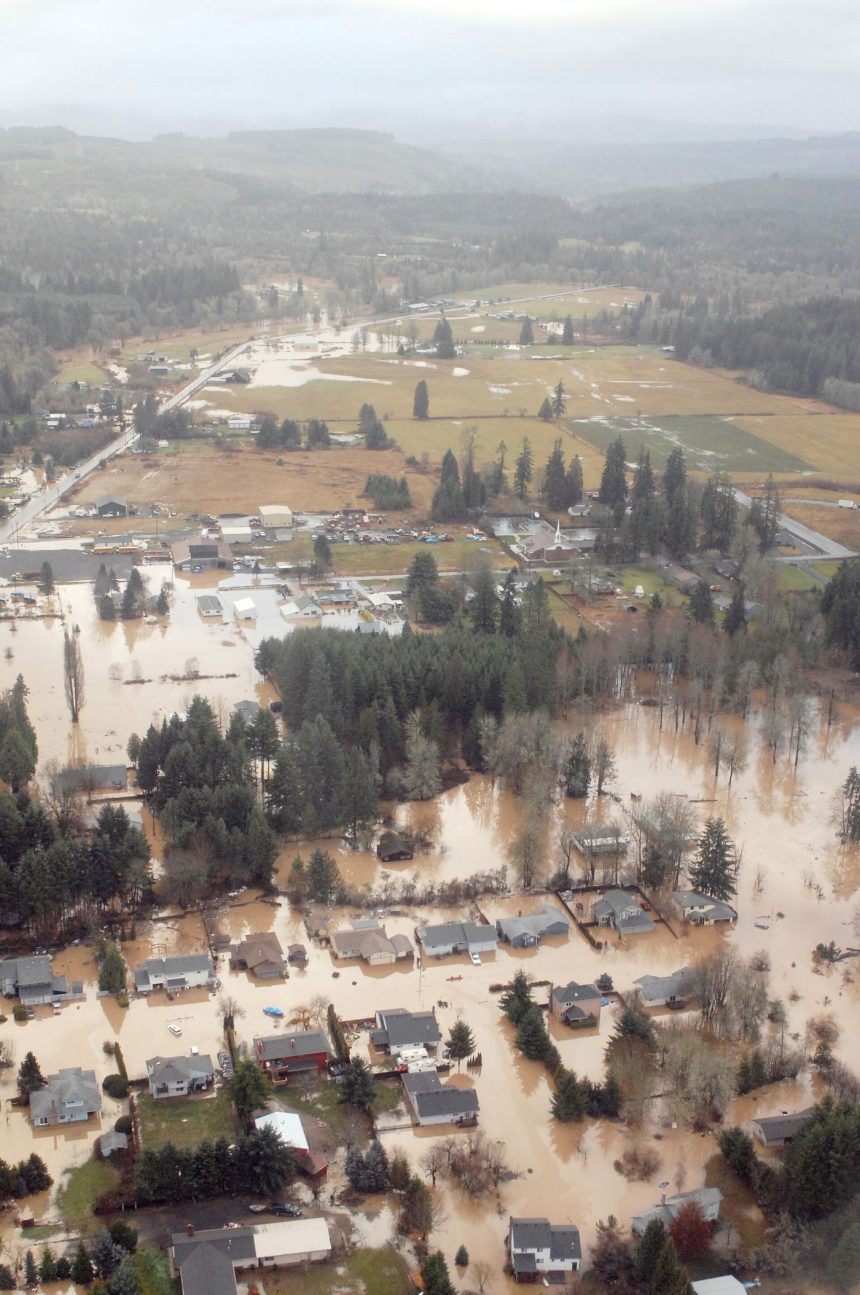
The mechanics are stark. Severe weather losses have climbed for a decade, and the reinsurance markets that backstop home insurers have raised their prices sharply, costs that flow straight through to households. At the same time, rebuilding has become more expensive: materials, labour and the simple fact that a flooded kitchen in 2026 contains more electronics than one in 2006. Insurers respond the only way their models allow — higher premiums, higher deductibles, tighter exclusions, and in the riskiest postcodes, withdrawal altogether.
When the market walks away
The sharpest edge of the trend is availability, not price. In parts of Florida, California, coastal Australia and flood-prone corners of Europe, homeowners report being refused by every private insurer, falling back on state-backed schemes of last resort. Mortgage lenders require insurance, so uninsurability threatens property values themselves — a house that cannot be insured cannot easily be sold to anyone who needs a loan.
Global bodies such as the Swiss Re Institute publish the loss tallies driving the shift, and their research keeps pointing the same way: losses concentrate where building expanded into harm’s way, and premiums are now delivering that message address by address.
What homeowners can actually do
Mitigation is becoming the household’s best negotiation. Documented resilience — roof straps, flood barriers, defensible space around rural homes, upgraded drainage — increasingly earns discounts, and some regions fund grants toward it. Shopping around matters more than loyalty ever did, and understanding your flood and storm exclusions before the sky darkens is the cheapest preparation there is.
Adaptation starts to price itself in
There are early signs of the market rewarding defence. In fire-prone regions, homes built or retrofitted to ember-resistant standards are measurably easier to insure; in flood zones, properties with certified barriers and raised utilities are beginning to see the difference in their quotes. Insurers, builders and lenders are converging on resilience ratings — a score for a house the way efficiency ratings grade appliances — so that adaptation spending shows up in premiums, valuations and mortgage decisions rather than disappearing into them. The logic is the industry’s own survival instinct: every home hardened is a claim that never happens. If the signal strengthens, the renewal letter could evolve from pure warning into something more useful — a priced map of exactly what a household should fix first, and what fixing it is worth.
Insurance was invented to spread the cost of rare disasters across everyone. When disasters stop being rare in particular places, the mathematics strains — and the argument moves from the renewal letter to planning offices, building codes and parliaments, where the real decisions about risky land are made.