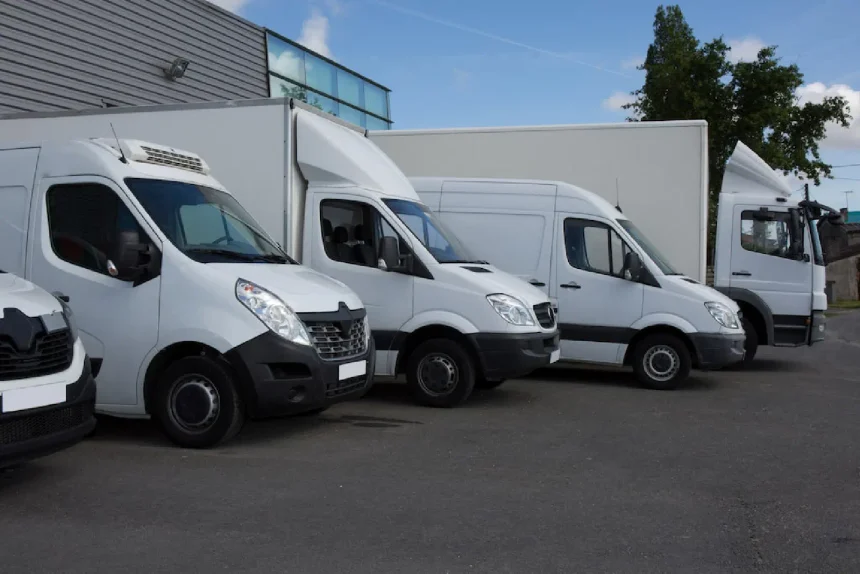
Finding suitable parking for commercial vehicles is an important part of managing deliveries, service calls, transportation schedules, and business operations. Companies that operate cargo vans and box trucks need parking locations that accommodate their vehicles, provide practical access, and fit their daily schedules.
For delivery businesses, contractors, logistics operators, and fleet managers, commercial cargo van parking can help address the need for designated spaces between routes, overnight stops, or recurring work assignments. Businesses operating larger delivery vehicles may also need commercial box truck parking near warehouses, distribution centers, or regular service areas.
However, not every parking facility accepts every type of commercial vehicle. Vehicle dimensions, access restrictions, permitted parking duration, and property rules can all affect whether a location is suitable.
This guide explains how to evaluate commercial parking options and choose a location that fits your vehicle and operational requirements.
1. Understand Your Commercial Vehicle Parking Needs
Before searching for parking, identify the types of vehicles you operate and how the spaces will be used. Cargo vans and box trucks have different dimensions and maneuvering requirements, so it is important to confirm that the selected property can accommodate your specific vehicle.
Start by considering these factors:
- Vehicle type: Determine whether you need parking for commercial cargo vans, box trucks, or several vehicle categories.
- Vehicle dimensions: Check length, width, height, and any equipment that affects the vehicle’s size.
- Parking duration: Decide whether you need short-term, overnight, weekly, or monthly parking.
- Location: Consider proximity to delivery routes, warehouses, customer locations, or business premises.
- Access requirements: Review entrance clearance, turning space, and operating hours.
- Budget: Compare rates, additional charges, and the terms associated with each space.
Clearly defining your requirements helps you focus on suitable options rather than spending time on facilities that cannot accommodate your vehicles.
2. Find Commercial Cargo Van Parking Near Your Operating Area
Commercial cargo vans are commonly used for deliveries, service calls, equipment transport, and other business activities. Their parking needs may differ from those of larger trucks, particularly when drivers operate in urban or industrial areas with limited space.
When looking for commercial cargo van parking, start with locations near your regular routes, business premises, warehouses, and distribution centers. If your vehicles return to the same area every day, a conveniently located parking space may help simplify daily operations.
Before selecting a property, confirm that it accepts commercial cargo vans. Some facilities may have restrictions on commercial vehicle use, overnight parking, or vehicle dimensions.
It is also worth checking whether the property provides enough room for entering, parking, and leaving without difficult maneuvers. A location that looks suitable on a map may have access limitations that are not immediately obvious.
For businesses operating several vans, consider whether the location can accommodate the number of vehicles you need to park simultaneously.
3. Choose Commercial Box Truck Parking That Fits Your Vehicle
Box trucks are used for a range of commercial activities, including local deliveries, freight transport, equipment movement, and distribution operations. Their dimensions can vary considerably, so drivers should verify a property’s restrictions before arriving.
When evaluating commercial box truck parking, check the truck’s height, length, and width against the property’s published requirements. Pay particular attention to entrance clearance, overhead obstructions, turning areas, and the layout of internal roads.
A parking space may have enough room for the vehicle once it is parked but still be difficult to reach if the entrance is narrow or the surrounding area offers limited maneuvering space.
Before booking, confirm the following:
- The facility accepts the specific box truck configuration.
- The entrance and parking area accommodate the vehicle’s dimensions.
- Turning and backing movements are practical.
- The property permits your intended parking duration.
- Any restrictions on commercial deliveries or vehicle movements are clear.
These checks are especially useful for businesses operating larger box trucks or vehicles equipped with liftgates and other equipment that affects their dimensions.
4. Compare Parking Locations and Accessibility
Location is an important factor when choosing commercial vehicle parking. A convenient space can reduce unnecessary travel and make it easier for drivers to reach their next delivery or service appointment.
Consider whether the parking facility is close to major roads, industrial districts, warehouses, distribution centers, or other destinations relevant to your business.
However, distance should not be the only consideration. Check whether the approach roads are suitable for your vehicle and whether the property has any access restrictions. For box trucks, height limits and turning space can be particularly important.
For cargo vans, consider whether the location fits the route and schedule of your drivers. For larger box trucks, verify that the entrance and internal layout can accommodate the vehicle comfortably.
Businesses with several operating areas may benefit from keeping a list of suitable parking locations near their most frequently visited destinations.
5. Decide Between Short-Term and Long-Term Parking
Commercial parking needs vary according to the way a business operates. Some vehicles need parking only between delivery appointments, while others may return to the same location every evening or remain parked for longer periods.
Short-term parking may suit vehicles that need a temporary space between jobs or deliveries.
Overnight parking can be useful when a driver needs a permitted location between shifts. Always confirm that overnight stays are explicitly allowed.
Weekly or monthly parking may be worth considering for vehicles that regularly return to the same area or need a consistent parking arrangement.
When comparing commercial cargo van parking and commercial box truck parking, review the permitted duration, pricing structure, payment terms, and any extension policies.
Do not assume that a facility allowing daytime parking also permits overnight or extended stays. Confirm the arrangement with the property operator before making a commitment.
6. Review Property Features and Parking Rules
A suitable parking location should meet your vehicle’s practical requirements and the operating rules of the property.
Where information is available, review lighting, fencing, access controls, monitoring, surface conditions, and other features relevant to your needs. These features vary by property, so verify specific details rather than assuming they are included.
Also check the property’s operating hours, entry procedures, and restrictions on vehicle movement. Some locations may require advance booking or have specific rules for overnight stays.
For commercial cargo van parking, confirm that business vehicles are accepted and that any restrictions on commercial use are clearly explained.
For commercial box truck parking, pay particular attention to vehicle height limits, entrance dimensions, and maneuvering space.
If the property information does not answer your questions, contact the operator before traveling. Understanding the rules in advance can help avoid unnecessary delays.
7. Plan Parking for a Growing Commercial Fleet
As businesses expand, parking requirements can increase. A company may add cargo vans, introduce larger delivery vehicles, or need additional space during periods of high demand.
Fleet managers should estimate the number of parking spaces required and identify which vehicle types will use them. This can help determine whether one location can accommodate the entire fleet or whether several parking arrangements may be necessary.
When evaluating a location, consider the practical needs of drivers, including access hours, vehicle retrieval, and the distance to regular routes or work sites.
Businesses that experience seasonal demand may also want to explore temporary or overflow parking arrangements. Confirm how long vehicles may remain parked and whether the property can accommodate changes in the number of vehicles.
Maintaining a record of parking locations, vehicle restrictions, rates, contact details, and renewal dates can help simplify fleet planning.
8. Top Companies in Commercial Truck and Trailer Parking
Commercial parking marketplaces and truck parking resources can help drivers and businesses research potential locations. Listing details, vehicle eligibility, and booking processes vary, so confirm the information for each location before making a decision.
1. Stackkly
Stackkly is a commercial truck and trailer parking marketplace designed to help truck drivers, owner-operators, fleet managers, trucking companies, and logistics businesses find and book parking.
Businesses researching commercial cargo van parking or commercial box truck parking can explore relevant commercial parking options and review the details provided for individual locations. Before booking, confirm whether the property accepts your vehicle type, accommodates its dimensions, and permits your intended parking duration.
Stackkly focuses on commercial parking needs, making it relevant to operators looking for parking options for their vehicles and equipment.
2. Truck Parking Club
Truck Parking Club focuses on truck parking locations and provides a resource for drivers researching potential places to park. Businesses should check individual listings to determine whether the property accommodates their vehicle type and intended parking duration.
3. Park My Truck
Park My Truck offers truck parking-related resources that commercial drivers can consider when planning their parking needs. Verify the current details for each location, including vehicle restrictions, access arrangements, and permitted parking periods.
4. Truck Parking USA
Truck Parking USA is another resource commercial drivers may consider when researching truck parking options. Review the available location information and confirm the property’s current terms, vehicle eligibility, and access requirements before traveling.
9. Use a Commercial Parking Marketplace to Simplify Your Search
Finding suitable parking can require comparing multiple locations and checking their individual rules. A commercial parking marketplace can help organize the process by bringing relevant parking options together for drivers and businesses to explore.
When reviewing listings, focus on the details that matter to your operation: location, vehicle type, dimensions, permitted parking duration, property features, and booking requirements.
For fleet managers, an organized approach can help identify potential spaces for cargo vans and larger commercial vehicles. Keep track of the options considered and verify unclear information directly with the property operator.
Stackkly helps connect commercial vehicle operators with truck and trailer parking options. Exploring relevant listings and confirming the requirements before arrival can help businesses make more informed parking decisions.
Conclusion
Finding suitable commercial cargo van parking or commercial box truck parking requires careful consideration of vehicle dimensions, access, location, parking duration, and property rules.
Cargo van operators may prioritize convenient access to delivery routes and business locations, while box truck drivers often need to pay particular attention to entrance clearance and maneuvering space. Businesses managing multiple vehicles should also consider recurring parking needs and potential fleet growth.
By defining your requirements, comparing appropriate locations, and confirming the terms before booking, you can reduce unnecessary detours and make parking decisions more efficiently.
Stackkly provides a marketplace focused on commercial truck and trailer parking, helping drivers, owner-operators, fleet managers, and logistics businesses explore relevant parking options for their operations.