Introduction
A pest problem can affect almost any type of property, regardless of its age, size or purpose. A family home may experience mice in a loft, a business could discover insects in a storage area, or a landlord might receive reports of repeated pest activity from tenants. While these situations can be frustrating, understanding how infestations develop makes it easier to take sensible preventive action.
Effective pest management is not simply about dealing with an unwanted animal or insect after it appears. It involves recognising early warning signs, understanding the conditions that attract pests and identifying how they enter a building. For property owners in Braintree, combining routine maintenance with timely professional assistance can help keep homes and commercial premises in better condition.
Pest Problems Often Begin with Small Opportunities
Many infestations start when pests find a reliable source of food, water or shelter. These resources are common in residential and commercial buildings, especially where maintenance tasks are overlooked.
A gap beneath an external door may provide access for rodents. Unsealed food containers can attract insects, while a leaking pipe may create a damp area that encourages certain pests. Untidy storage rooms, unused loft spaces and outdoor sheds can also provide quiet places for nesting.
These conditions do not automatically mean an infestation will develop. However, they can make a property more attractive to pests looking for suitable places to feed or shelter.
A practical first step is to review the building from the perspective of a pest. Consider where food is stored, where waste is collected, which areas remain undisturbed and whether there are openings around the structure. Addressing these weaknesses can reduce unnecessary opportunities.
Know the Warning Signs Before a Problem Spreads
Pests are not always seen directly. Some are active mainly at night, while others remain hidden in cracks, roof spaces, furniture or wall cavities. Recognising indirect signs is therefore important.
Rodents may leave droppings, gnaw marks, damaged packaging and nesting materials. Scratching noises from ceilings or walls can also suggest activity in concealed spaces.
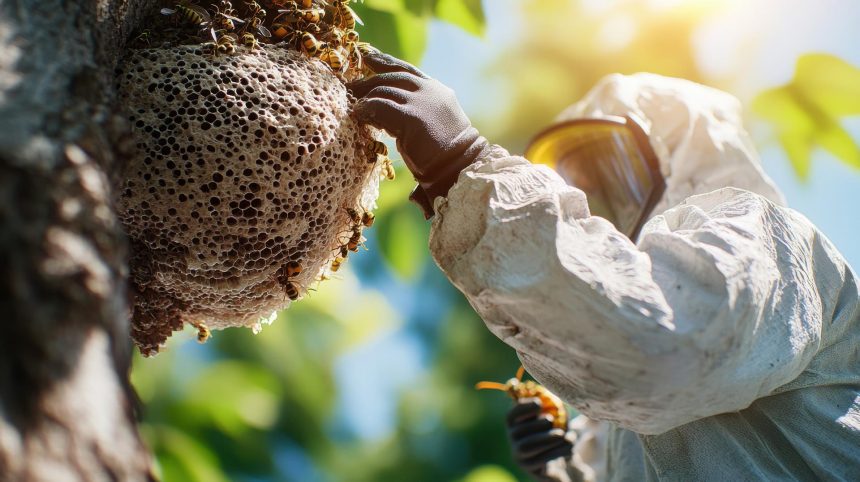
Wasps may repeatedly enter and leave one opening near a roofline, shed or wall. This can indicate a nest that should be assessed without disturbing it.
Bed bugs may leave signs around mattresses, bed frames and nearby furniture. Fleas can be associated with pets and soft furnishings, while certain moths may damage clothing and stored fabrics.
Pigeons can create fouling and nesting debris around roofs, ledges and solar panels. Squirrels may also enter roof spaces and disturb insulation or stored materials.
When evidence appears repeatedly, it is worth investigating rather than assuming that the problem will disappear on its own. Early identification can make it easier to choose an appropriate response.
Make Your Home Less Attractive to Rodents
Rats and mice can use surprisingly small openings to access buildings. They may enter through gaps around pipes, damaged air bricks, poorly fitted doors or defects in external walls. Once inside, they can travel through lofts, cupboards, floor voids and other concealed areas.
Food storage is an important part of rodent prevention. Keep dry goods and pet food in suitable sealed containers. Clean up crumbs and spills promptly, and avoid leaving food waste exposed overnight.
Outdoor waste should also be managed carefully. Use bins with secure lids and arrange regular disposal. Remove food debris around the bin area and avoid leaving rubbish bags outside for long periods.
Inspect the building for possible entry points. Damaged door seals, openings around service pipes and gaps in brickwork should be assessed and repaired where appropriate. Any proofing work must preserve necessary ventilation and access to building services.
If rodent activity is already established, simply sealing visible holes may not be enough. The source of the problem and the routes used by the animals should be assessed before deciding on further action.
Keep Insects Under Control Through Good Housekeeping
Insects can be attracted by food residues, moisture, fabrics and sheltered spaces. Different species have different requirements, so prevention should be adapted to the type of pest.
Kitchens should be cleaned regularly, including areas behind appliances and beneath cupboards. Food should be stored properly, and waste should be removed before it accumulates. In commercial kitchens, staff should follow consistent cleaning procedures and check storage areas frequently.
Moisture should not be overlooked. Repair leaking taps, address damaged pipes and avoid allowing standing water to remain around the property. Check bathrooms, utility rooms and less frequently used areas for signs of leaks.
For moth prevention, inspect stored clothing and fabrics periodically. Keep wardrobes and storage containers clean, and investigate any unexplained damage. If bed bugs or fleas are suspected, correct identification is particularly important because treatment requirements differ.
Household sprays may not be suitable for every insect problem. Before using any chemical product, read the instructions carefully and consider whether professional advice is needed.
Pay Attention to Roofs, Gardens and Outdoor Structures
Pest prevention should include the exterior of the building. Roof spaces, gardens, sheds, garages and outdoor storage areas can all provide shelter.
Check roof tiles, soffits and openings around eaves for damage. Inspect sheds and outbuildings for gaps, nesting materials or signs of animal activity. Keep vegetation maintained around the property, especially where shrubs or branches touch walls and roofs.
Pigeons may settle on ledges and other sheltered areas. Where solar panels are installed, the space beneath them may provide an attractive nesting location. Appropriate bird-proofing measures can help protect these areas while allowing the panels to function as intended.
Gardens should be kept reasonably tidy. Remove fallen fruit, manage compost appropriately and avoid leaving pet food outdoors. Firewood and building materials should be stored neatly and away from the building where practical.
These measures cannot prevent every pest from approaching a property, but they can reduce the number of convenient places available for feeding and shelter.
When Drainage Problems May Be Connected to Rodents
Drainage systems are often overlooked during routine pest prevention because most of their components are underground or concealed. However, damaged pipes and defective connections can sometimes provide routes for rodents.
If rats continue to appear despite reasonable control measures, it may be useful to investigate whether a structural or drainage issue is contributing. A CCTV drainage survey uses a specialist camera to inspect the inside of pipes and help locate cracks, displaced joints or other defects.
This investigation is not required in every case. Rodents can enter through many different routes, and the appropriate inspection depends on the evidence available. However, where drainage is suspected, identifying a defect can help property owners understand why activity keeps returning.
Addressing the underlying route may be an important part of achieving a more lasting solution.
Why Professional Pest Management Can Make a Difference
Some minor pest risks can be reduced through cleaning, waste management and routine repairs. An established infestation, however, may require a more targeted approach.
Professional Pest Control in Braintree can help identify the pest, assess the affected areas and recommend suitable treatment options. A professional assessment is particularly useful when activity is repeated, when pests are located in inaccessible spaces or when the correct species is uncertain.
The Exterminator Pest Control provides pest management services for domestic and commercial properties in Braintree and other parts of Essex. Its services cover a range of common pest concerns, including rodents, wasps, fleas, bed bugs, moths, flies, pigeons and other unwanted pests. The company also offers CCTV drainage surveys for investigating possible drainage-related rat activity. <Cite refs={[“turn475792search0”]}/>
A suitable treatment plan should take account of the building, the pest involved and the people using the premises. Property owners should understand any preparation instructions, safety precautions and follow-up requirements before work begins.
What Homeowners, Landlords and Businesses Can Do
Different types of properties need different prevention routines.
Homeowners should pay attention to food storage, kitchen hygiene, pet food, loft spaces and outdoor waste. Regular checks can help identify early signs before pests become established.
Landlords and property managers should make it easy for occupants to report concerns. When a tenant notices droppings, unusual noises or repeated insect activity, timely investigation can help determine whether maintenance or treatment is required. Keeping records of inspections and repairs can also be useful when problems recur.
Businesses should consider the specific risks associated with their operations. Restaurants and food retailers need consistent procedures for cleaning, stock storage and waste disposal. Offices should inspect kitchens, staff rooms and storage areas. Warehouses may need additional attention around loading bays, deliveries and stored materials.
In each case, prevention works best when responsibilities are clear and inspections happen regularly.
Selecting the Right Local Support
When choosing a pest control provider, property owners should look for clear communication and a treatment approach that reflects the actual problem. Ask how the pest will be identified, which areas need attention and whether additional investigation may be required.
It is also sensible to confirm the cost, preparation instructions, safety considerations and any follow-up arrangements. A professional should be able to explain why a particular method is appropriate and what steps may help prevent the issue from returning.
A local Braintree Exterminator can assess the circumstances and discuss suitable next steps. When arranging an enquiry, explain the type of property, the pest or signs observed, where the activity occurs and how long the problem has been present.
Providing accurate information helps make the initial assessment more useful and can help establish what needs to happen next.
Create a Long-Term Prevention Routine
Pest prevention is most effective when it becomes part of normal property maintenance. Rather than waiting for a problem, create a simple schedule for checking the areas most likely to attract pests.
Inspect food cupboards, waste storage, garages, lofts and outdoor structures. Check doors, windows and service openings for damage. Look for leaks, standing water and signs of nesting. Remove unnecessary clutter and keep storage areas organised.
Commercial properties may benefit from written inspection records, while homeowners can use a basic monthly checklist. Seasonal reviews are also useful because changes in weather can influence pest movement and activity.
If signs of pests appear, record the location and date and seek advice when necessary. Repeated activity should be investigated rather than treated as a series of unrelated incidents.
Conclusion
Protecting a property from pests requires a combination of awareness, cleanliness and regular maintenance. Rodents, wasps, bed bugs, fleas, moths, pigeons and other pests can create different challenges, but many problems become easier to manage when warning signs are recognised early.
For homeowners, landlords and businesses in Braintree, securing entry points, managing waste, storing food correctly and maintaining drainage and outdoor spaces are practical ways to reduce common risks. Where an infestation develops, professional assessment can help identify the cause and determine an appropriate treatment.
A consistent approach to prevention and timely action can help keep properties cleaner, more comfortable and better protected throughout the year.