A litter box that smells is not a sign that you are a bad owner. It is a sign that something in the system is out of balance, and the cause is almost always one of four things: waste sitting too long, a box that is too small, litter that is past its useful life, or a location with no airflow. Owners often respond by buying deodorizers, which mask the problem and sometimes make it worse by driving cats away from the box entirely.
Fixing odor is less about products and more about diagnosing the source. Once you know which of the four causes you are dealing with, the remedy is usually cheap and immediate. This article walks through each cause in the order you should check them, then covers the upgrades that make a real difference when the basics are already in place.
The Four Causes of Litter Box Odor
Start by ruling out the simplest explanation. A cat litter box that is scooped once a day will still smell if it serves three cats, and a box that is scooped twice a day will still smell if it is too small for the cat using it. Odor scales with waste volume per square inch, so crowding and undersizing produce the same result. Before you spend money on anything, measure the box against the cat and count the daily visits it receives.
Waste that sits too long
Urine binds with litter and releases ammonia as it breaks down, and the process speeds up in warm rooms. In a single-cat home, one scoop per day is usually enough; in a multi-cat home, two is the minimum. If your schedule makes that hard, an automated cycle is a practical fix rather than a luxury, because the box gets serviced on a timer instead of on your memory.
Timing matters as much as frequency. Scooping in the evening after the day’s visits removes waste before it has a full night to cure, and a quick pass in the morning catches anything left behind. Two short sessions beat one long one, because the goal is to shorten how long waste sits rather than to do a thorough job less often. If you can only manage one pass, make it the evening one.
Litter that has stopped working
Clumping litter loses its absorbency over time as dust and fine particles build up. A box that was fresh a month ago can be saturated at the bottom even though the surface looks clean. Fully empty and wash the box every few weeks, and replace the litter rather than topping it up indefinitely. Topping up old litter is the most common way owners accidentally preserve odor.
The type of litter also decides how forgiving your routine can be. Fine clumping litter holds waste together and makes scooping efficient, but it needs a deeper bed to work well. Pellets and crystals behave differently and may suit a box with a sifting tray. Whatever you choose, keep the brand consistent; switching litter to solve an odor problem often creates a bigger one by making the box unfamiliar.
Box size and depth
A box should be about one and a half times your cat’s length, and litter should sit two to three inches deep. Shallow litter lets urine reach the plastic, where it etches into scratches and keeps smelling even after washing. If the bottom of your box feels rough or stained, the plastic has absorbed odor and no amount of scrubbing will fully remove it.
Scratches are the hidden culprit in many persistent-smell cases. Cats dig hard, and over months the base of a box develops fine grooves that trap residue below the surface. Once that happens, the box keeps releasing odor even when it looks clean, and the only real solution is replacement. Inspect the base in good light every few months, and retire a box as soon as it feels textured rather than smooth.
Placement and airflow
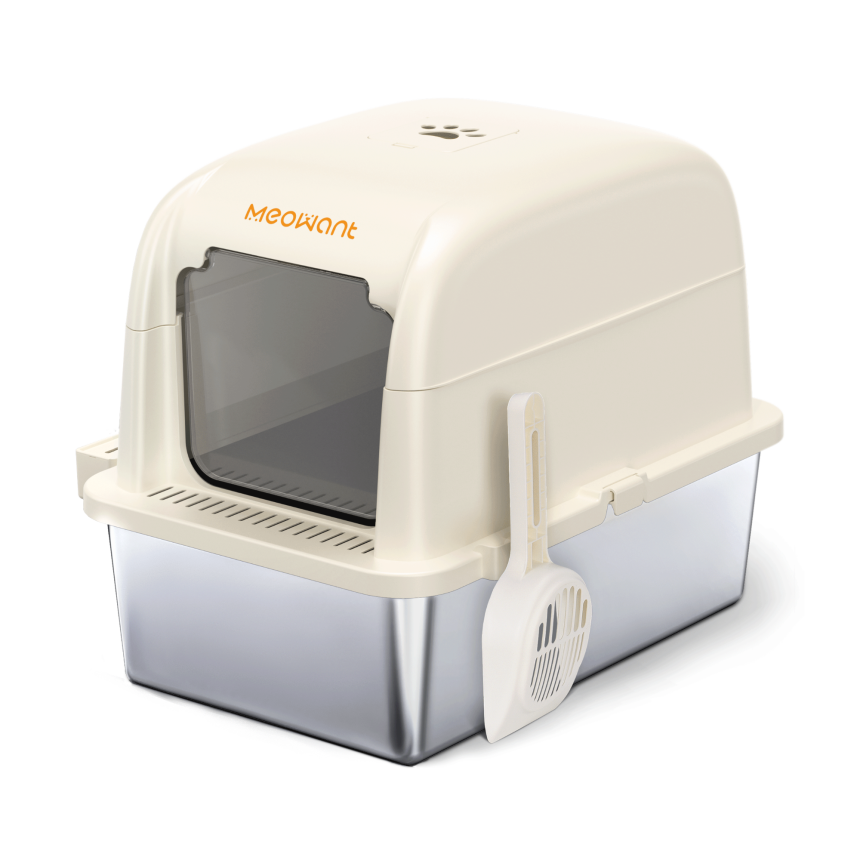
A box in a sealed closet traps odor in a small volume. A box beside a heating vent circulates it through the house. The best spot has some airflow, is away from food, and is not in the path of foot traffic. If the only available space is enclosed, a covered box with a filter helps, but the filter needs replacing on schedule to do anything at all.
Room temperature is part of the equation. A utility room that stays warm all day will amplify odor faster than a cooler corner, and a box in direct sun can make the smell noticeably worse by afternoon. Moving a box a few feet away from a radiator or a sunny window often produces an immediate improvement, at no cost and with no change to the cleaning routine.
Products That Help and Products That Hurt
Not every odor product is worth buying. The useful ones address the source; the harmful ones add scent that cats dislike or that makes the box feel unfamiliar. Knowing the difference saves money and prevents avoidance.
Carbon filters and sealed waste drawers genuinely reduce smell by containing it. Enzyme cleaners break down residue on the plastic and are worth keeping on hand for deep cleans. Unscented, low-dust litter reduces tracking and the fine particles that carry odor into the room. A simple covered bin next to the box keeps scooped waste out of the air between trash days.
Scented litter, plug-in air fresheners near the box, and heavily perfumed sprays belong on the other list. Cats rely on scent to feel safe in their territory, and a box that smells like lavender or pine reads as foreign. Many avoidance cases resolve within days of switching back to unscented litter. If you want a fresher room, treat the air in the room, not the box.
There is also a practical limit to what any product can hide. A deodorizer that works for a day is not solving anything; it is covering a box that should have been scooped. Owners who track how quickly a spray stops working usually discover the real schedule problem underneath, and fixing the schedule makes the product unnecessary.
How to deep clean without leaving residue
Empty the box completely, wash it with mild unscented soap and warm water, and rinse thoroughly. Avoid bleach and ammonia, both of which leave odors cats interpret as another animal’s marking. Dry the box in the sun if possible, since sunlight helps break down residual odor compounds. Refill with fresh litter and resist the urge to add a deodorizing powder as a finishing touch.
Upgrades Worth Making
Once the routine is solid, equipment upgrades can close the remaining gap. A high-sided box reduces scatter and contains odor better than a shallow pan. A hooded design with a filter helps in small apartments, provided your cat accepts the enclosure. A mat at the exit catches tracked litter before it spreads, which cuts down on the dust that carries smell through the home.
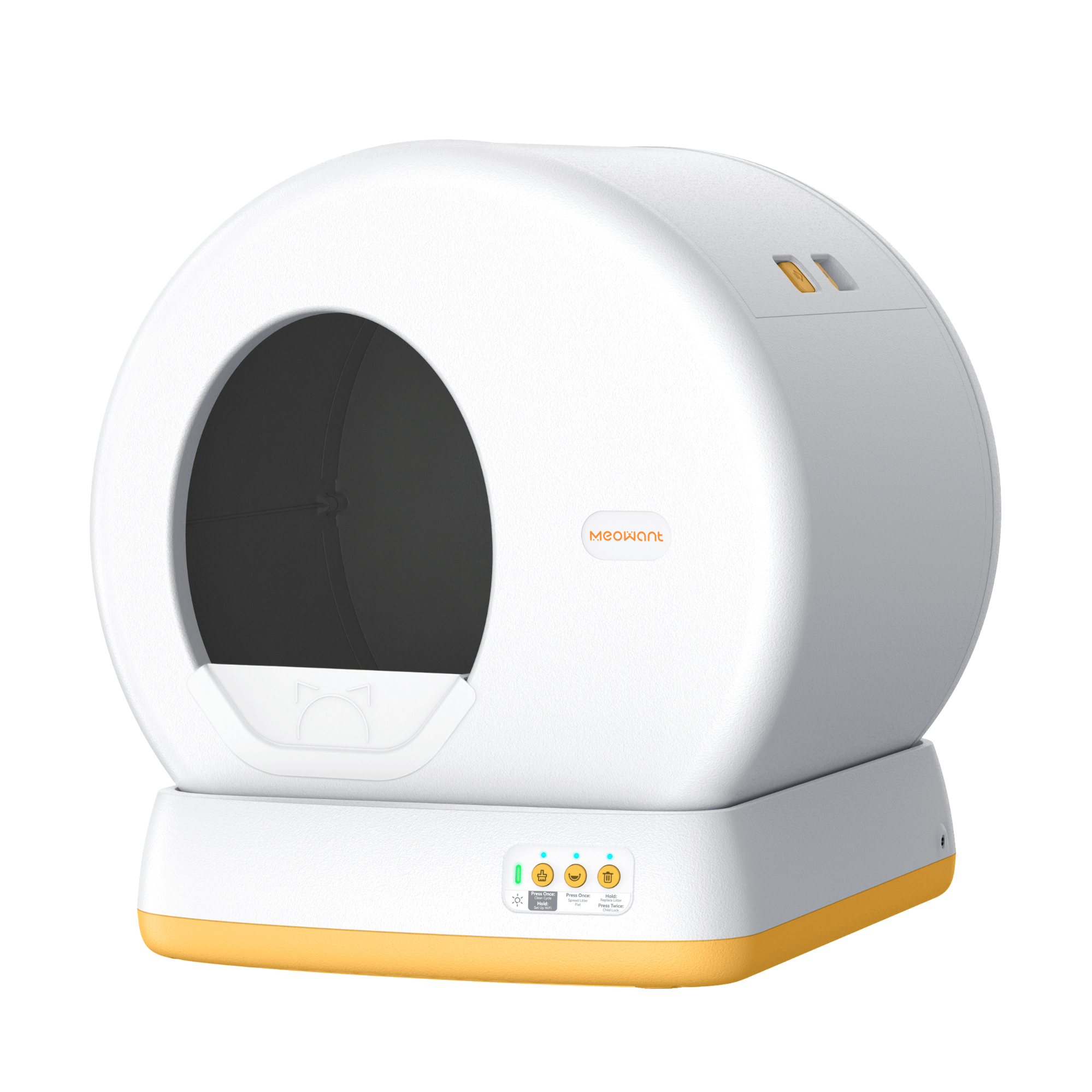
For households where the daily cycle is the weak point, a self-cleaning unit removes the most common failure mode. These boxes rake waste into a sealed compartment shortly after each visit, so ammonia never has time to build. They are not maintenance-free, but they shift the burden from daily vigilance to a weekly drawer change, which is a realistic schedule for most people.

The sealed drawer is the part that does the odor work. Because waste is enclosed rather than exposed to the room, the smell stays contained between emptying sessions. Pairing that with a carbon filter and a liner keeps the drawer itself from becoming the problem, and it means the weekly task is a single, quick swap rather than a daily negotiation.
Keeping the room fresh year-round
Small changes compound. Keep the box away from soft furnishings that trap odor, open a window for a few minutes each day, and run a small air purifier with a carbon stage if the room has no natural ventilation. In humid months, a dehumidifier near the box slows ammonia release more effectively than any spray. None of these replace scooping, but together they keep a clean box from announcing itself.
Fresh Air Starts With a Clean Box
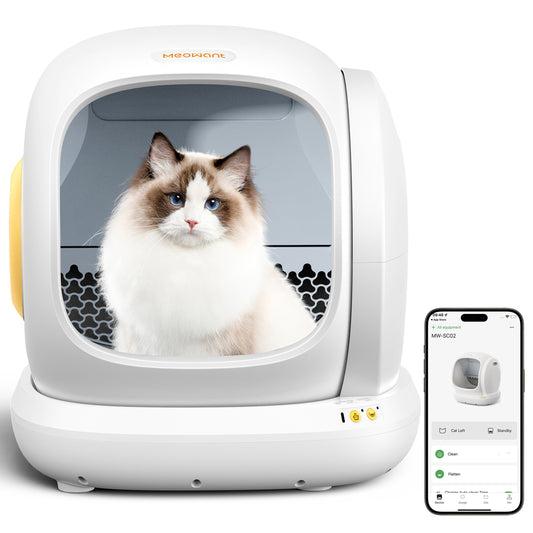
Odor is a symptom, and the cure is almost always a change in routine rather than a stronger product. Scoop often enough, replace litter before it saturates, size the box to the cat, and give the space some airflow. Those four fixes resolve the majority of complaints, and they cost nothing beyond a little consistency. Brands like Meowant lean into the same principle by offering boxes in sizes and styles that let owners match the setup to the household instead of forcing one shape.
If the smell persists after the basics are handled, look for stained plastic, a hidden second box you forgot to clean, or a medical issue such as a urinary infection. A cat that suddenly smells stronger is telling you something. Address the cause, keep the routine simple, and the room will stay livable without a shelf full of sprays.