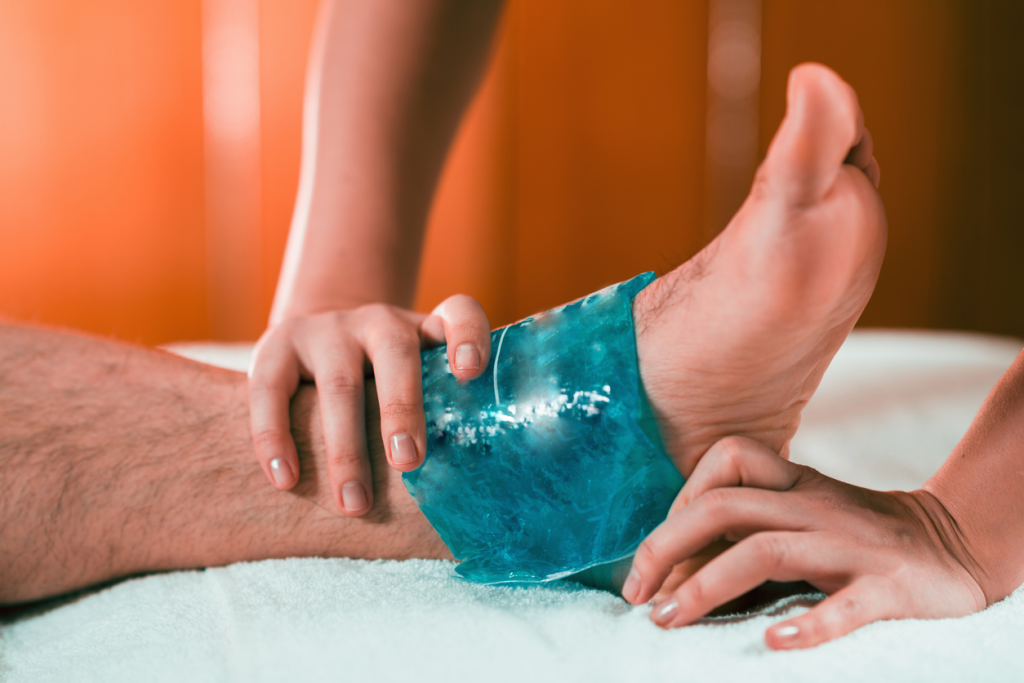
When someone sprains an ankle, bumps their knee, or pulls a muscle, one of the first questions that often comes to mind is: should I use a hot compress or a cold one? While both can help relieve pain and speed up recovery, doctors say the choice depends on the type and timing of the injury. From the monitoring results of pafikutaikab.org using the wrong compress at the wrong time could make things worse instead of better.
The Golden Rule: Cold First, Heat Later
According to Dr. Andika Prasetya, a sports medicine specialist, the general rule for treating acute injuries — such as sprains, bruises, or strains — is to start with a cold compress within the first 24 to 48 hours.
“When an injury happens, tissues become inflamed, swollen, and painful due to tiny blood vessel ruptures,” Dr. Andika explains. “Cold temperatures constrict blood vessels, reducing swelling and numbing pain. It’s the body’s way of preventing further tissue damage.”
Cold therapy, also known as cryotherapy, helps minimize internal bleeding and controls inflammation. Doctors recommend applying a cold compress or ice pack wrapped in a thin towel for 15 to 20 minutes every two to three hours. Directly placing ice on the skin should be avoided, as it can cause frostbite or irritation.
When to Switch to a Warm Compress
After the initial swelling has gone down — usually after two or three days — a warm compress can be introduced to promote healing. Heat increases blood circulation, bringing more oxygen and nutrients to the injured area while relaxing tight muscles.
“Heat therapy is great for chronic muscle stiffness, lingering soreness, or tension-related pain,” says Dr. Andika. “It helps loosen tissues and promotes flexibility.”
Warm compresses can be used for conditions such as muscle spasms, back pain, or mild joint stiffness. However, applying heat too early, when swelling is still present, can increase inflammation and delay recovery.
Common Mistakes to Avoid
One of the most frequent mistakes people make is using heat immediately after an injury. “It might feel soothing at first, but heat actually dilates blood vessels,” Dr. Andika warns. “That means more fluid and blood flow to the area, which can worsen swelling.”
Another mistake is overusing compresses — applying them for too long or too often. Doctors advise moderation: 20 minutes on, 20 minutes off is a good guideline for cold compresses. For warm compresses, sessions should last no longer than 30 minutes at a time.
Supporting Recovery with R.I.C.E.
In addition to compress therapy, doctors recommend following the R.I.C.E. method — Rest, Ice, Compression, and Elevation — during the first few days after injury. Rest prevents further strain, compression with a bandage supports stability, and elevation above heart level helps drain excess fluid and reduce swelling.
For minor injuries, this simple approach often works well. But if pain persists for more than a few days or the swelling worsens, medical attention is necessary. “Persistent pain may indicate a deeper injury such as ligament damage or a fracture,” Dr. Andika adds.
The Takeaway
Knowing when to use hot or cold compresses can make a big difference in recovery time. In general, cold therapy is for fresh injuries, while heat therapy is for recovery and relaxation.
As Dr. Andika concludes, “Treating pain isn’t just about comfort — it’s about helping the body heal efficiently. The right compress, used at the right time, can prevent complications and get you back on your feet faster.”Source: https://pafikutaikab.org/