Back pain is a top complaint for office workers. Sitting for long hours, slouching, and bad desk setups overload the spine. This leads to stiffness, muscle tiredness as well as long-term back issues. A helpful tool is a posture corrector belt or back support. It provides gentle guidance to keep you aligned and helps you build better habits.
Understanding office ergonomics and how these belts work is vital for stopping pain and keeping your spine healthy.
Why Office Workers Get Back Pain
Pain usually comes from sitting in bad positions for too long, it includes all these:
- Slouching forward while you type.
- Leaning to one side.
- Hunching over a laptop.
- Having no support for your lower back.
- Sitting for hours without a break.
These habits strain the muscles and discs in your back. This totally causes stiffness, fatigue, or even numbness in the legs.
Understanding Spine Alignment
A healthy spine has natural curves:
- Cervical: Inward curve of the neck
- Thoracic: Outward curve of the upper back
- Lumbar: Inward curve of the lower back
Keeping these curves balanced while sitting reduces stress. Slouching breaks these curves and causes strain.
The Breath-Posture Connection
Most people don’t realize that slouching physically compresses the diaphragm.
- Expansion: Sitting upright allows for full diaphragmatic breathing, increasing oxygen flow to the brain.
- The Test: Try taking a deep breath while hunched over, then try it sitting tall. The difference in lung capacity is quite immediate.
- Tip: Use your posture belt as a breathing cue. If the belt feels tight against your ribs, you’re likely breathing shallowly into your chest rather than your belly.
Dynamic Sitting vs. Static Sitting
Even perfect posture becomes harmful if held for four hours without moving.
- Micro-Movements: Encourage fidgeting. Shifting weight from one glute to the other or rotating your ankles helps maintain blood flow.
- The Next Posture Rule: The best posture is your next posture. Constantly changing positions is better for the discs than staying perfectly still in a belt for hours.
The Psychological Impact of Good Posture
Posture doesn’t just affect your bones; it totally changes how you feel. Sitting upright has been linked to increased confidence and higher energy levels. When you use a support belt to avoid slouching, you can actually reduce the production of cortisol (the stress hormone), which helps you maintain focus and productivity during tight deadlines.
How Posture Corrector Belts Help
These wearable devices remind and support your body to stay in line.
- Spinal Alignment: They pull you into an upright position.
- Muscle Activation: The tension encourages back muscles to stay active.
- Feedback: You become more aware of when you start to slouch.
- Support: They reduce muscle fatigue by spreading the load across your shoulders.
Choosing the Right Support
Belts are made for both men and women. Look for all these:
- Adjustability: Straps that let you change the tension.
- Material: Breathable, light fabric to stay cool.
- Coverage: Choose based on whether you need upper or lower back support.
- Daily Wear: Use it for short times at first.
- Gender-fit: Pick one designed for your body shape in order to get a better fit.
Optimizing Your Digital Horizon
Where you look is where your spine follows. If your monitor is too low, your neck will naturally crane forward, leading to “Tech Neck.” Ensure your screen is positioned so that your eyes hit the top third of the monitor. This alignment works in tandem with a posture belt to keep your cervical spine in its natural, stress-free curve.
Hydration as a Movement Trigger
This is a stealth health hack for office workers.
- Natural Breaks: Drinking plenty of water forces you to get up for refills and bathroom breaks.
- Disc Hydration: Spinal discs are mostly water; staying hydrated keeps them plump and shock-absorbent, reducing the stiff feeling at the end of the day.
Correct Use in the Office
- Timing: Start with 30–60 minutes. Do not wear it all day.
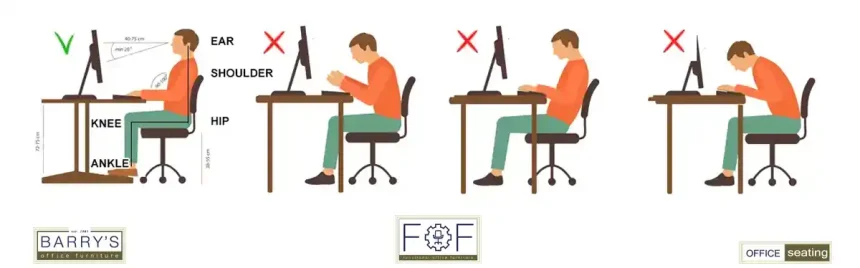
- Sitting: Feet flat, knees at 90 degrees, and hips slightly above knees.
- Chair Support: Use the belt along with a good chair or cushion.
- Movement: Stand or walk every 30–60 minutes to help circulation.
Exercises to Help Your Back
A belt works best if you also do exercises:
- Shoulder Squeezes: Strengthens the upper back.
- Core Work: Stabilizes the lower back.
- Thoracic Extensions: Helps the upper spine move better.
- Hip Stretches: Reduces pelvic tilt.
Common Mistakes to Avoid
- Wearing it too tight or too loose.
- Using it instead of exercising.
- Forgetting to set up your desk correctly.
- Wearing it for hours without any breaks.
Tips for Long-Term Health
- Chair: Use adjustable lumbar support.
- Desk: Keep the monitor at eye level. Elbows at 90 degrees.
- Foot Position: Keep feet flat or use a footrest.
- Breaks: Do stretching every 30 minutes.
Transitioning Away from Support Tools
The ultimate goal of a posture belt is muscle memory. As your back muscles get stronger and your brain recognizes the feel of a straight spine. You should gradually reduce the time spent wearing the belt. This ensures your body learns to support itself in an independent manner which leads to permanent habit change.
Talk to a professional if pain lasts a long time, moves down your legs, or causes numbness. Support belts help prevent pain, but they do not replace medical care for serious injuries.
Workspace and Habits
- Monitor Height: Eye level stops neck strain.
- Keyboard: Keep it close so you don’t reach.
- Micro-breaks: Quick walks or shoulder rolls every hour literally help a lot.
- Strengthening: Planks and rows build the muscles that hold you up.
- Tracking: Keep a note of your pain levels and how often you stretch.
Good posture doesn’t just help your back; it boosts your energy, focus, and confidence. By combining a support belt with a good desk setup and movement, you can really keep your spine healthy for years.
Conclusion
Back pain in office workers is usually caused by long sitting hours and poor posture. But it can be prevented with overall simple daily habits. If you maintain proper sitting posture, take regular breaks, and set up your workspace in a correct manner, it can totally protect your spine.
A posture corrector belt can totally help remind you to sit straight and reduce strain, but it should be used along with exercises and movement. Building good posture habits over time ultimately helps keep your back healthy, comfortable, and pain-free.