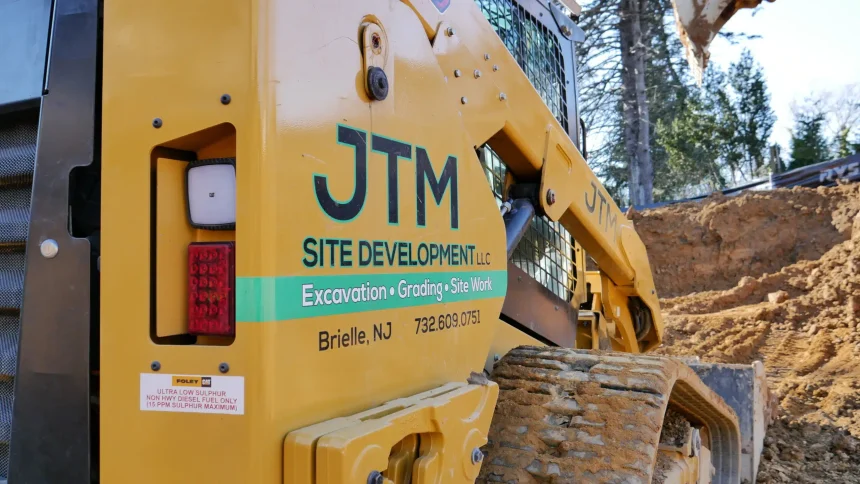
The modern landscape of construction is shifting—quite literally. As we move deeper into the 2020s, the “move fast and break things” mantra of old-school construction has been replaced by a more refined, data-driven approach. Today, site development is as much about digital precision as it is about diesel power. At the forefront of this industry evolution, the demand for high-reliability excavation has reached a fever pitch, requiring companies to blend heavy-duty muscle with surgical accuracy.
The foundation of every structure—be it a sprawling commercial complex or a quiet suburban home—is the most critical phase of the building lifecycle. If the dirt isn’t right, nothing else will be. This realization has led to a surge in specialized earthwork services that prioritize geological stability and long-term environmental health. By focusing on the “science of the soil,” modern contractors are ensuring that the projects of today don’t become the drainage nightmares of tomorrow.
The Intersection of High-Tech Hardware and Old-Fashioned Grit
It is a fascinating time to be in the earth-moving business. If you walked onto a professional job site twenty years ago, you would see a lot of tape measures, wooden stakes, and strings. Today, that same site looks more like a high-tech laboratory. Excavators and dozers are now equipped with integrated GPS systems that communicate with satellites to provide real-time positioning. This isn’t just “cool tech”; it’s a fundamental shift in how we achieve professional results.
When a contractor utilizes 3D grade control, they are essentially “painting” the landscape with their machinery. The blueprints are uploaded into the machine’s computer, and the hydraulics respond automatically to ensure the bucket or blade never goes a centimeter deeper than the plan dictates. This level of precision is exactly what defines the work at T&J Excavating, where the marriage of advanced technology and decades of hands-on experience ensures that every site is prepped to the highest industry standards.
Why Grading is the Secret Language of Land Development
To the untrained eye, a flat piece of land looks, well, flat. To a professional excavator, that same piece of land is a complex map of “fall,” “run,” and “pitch.” Grading is arguably the most misunderstood aspect of site preparation. It isn’t just about making the ground level; it’s about creating a sophisticated water management system that works with gravity rather than against it.
Proper grading ensures that every drop of rain is directed away from foundations and toward designated drainage zones or retention ponds. In regions where heavy storms are a seasonal reality, this isn’t just a luxury—it’s a necessity for structural survival. Fun fact: even a 1% or 2% slope, which is nearly invisible to the human eye, can be the difference between a dry basement and a catastrophic flood. Achieving this requires a steady hand and a deep understanding of soil mechanics, as different types of earth—clay, sand, or loam—compact and settle in entirely different ways.
Sustainable Earthwork: The New Frontier of Clean Fill Management
The construction industry is one of the largest movers of material on the planet. Traditionally, this meant a lot of “waste” dirt being hauled to landfills. However, the industry is pivoting toward a more sustainable, circular model. Earth is no longer just “dirt”; it is a resource. By identifying clean fill—soil that is free of contaminants like glass, metal, or chemicals—contractors can repurpose material from one site to stabilize another.
This logistical dance requires a robust network of locations where material can be ethically and efficiently managed. For projects in the Oklahoma region, having access to a dedicated Tulsa Dirt Site allows for the responsible intake and distribution of clean fill. This centralized approach significantly reduces the carbon footprint of a project by minimizing the distance trucks have to travel. It also ensures that high-quality topsoil or structural fill is available where it’s needed most, rather than being wasted in a dump.
The “Human” Side of Heavy Machinery
While we talk a lot about satellites and hydraulics, the heart of excavation remains human. There is a specific kind of intuition that comes from spending thousands of hours in the cab of a machine. A computer can tell you the grade, but an experienced operator can “feel” the density of the ground through the joystick. They can tell when they’ve hit a hidden pocket of soft clay or when the soil moisture is just right for optimal compaction.
This human element is what makes the industry so engaging. There’s a genuine sense of pride that comes with transforming a tangled, overgrown lot into a perfectly manicured build-ready site in a matter of days. It’s a process of “revealing” the potential of the land. For the property owner, it’s an exciting milestone—it’s the moment their vision finally starts to take physical shape. Seeing the “big yellow iron” move in is the universal signal that progress is officially happening.
Underground Utilities: Navigating the Invisible Web
Perhaps the most stressful part of any excavation project is what you can’t see. Modern cities are built on top of a literal spaghetti bowl of fiber optic cables, gas lines, water mains, and electrical conduits. Excavating in these environments requires a level of professional discipline that borders on the obsessive.
Before a single bucket of dirt is moved, a rigorous process of “locating” must occur. This involves using electromagnetic sensors and ground-penetrating radar to map out the hidden hazards. In high-stakes areas, professionals often use “hydro-excavation”—using high-pressure water to liquefy the soil and a vacuum to suck it away. This allows pipes to be exposed safely without the risk of a metal bucket causing a strike. It’s a slow, methodical process, but it’s the only way to ensure the safety of the crew and the continuity of city services.
Building for the Future: More Than Just a Hole in the Ground
As we look toward the future, the role of the excavation professional is expanding. We are no longer just “diggers.” We are land stewards, drainage engineers, and logistical experts. The industry is beginning to see the integration of Augmented Reality (AR), where a foreman can wear a headset and see the 3D blueprints overlaid directly onto the raw terrain. We are seeing the rise of electric heavy equipment that can operate quietly in residential neighborhoods at night without disturbing the peace.
The goal remains the same: to provide a stable, reliable foundation for human life. Whether it’s a new road that connects a community, a pond that provides a local ecosystem, or the pad for a family’s first home, excavation is the first chapter of every story. By combining professional-grade equipment with a human-centric approach to service, the industry is ensuring that the ground we build on today will remain solid for the generations that follow.
Conclusion: The Professional Standard
In an era of DIY and “good enough,” the excavation industry stands as a reminder that some things simply must be done right the first time. You can’t go back and fix the grading under a finished parking lot or a poured foundation without astronomical costs. This is why the emphasis on research-based methods and high-tech tools is so vital.
When you strip away the noise and the dust, excavation is about trust. It’s about trusting that the person behind the controls understands the weight of the project and the complexity of the earth. By staying at the cutting edge of technology and maintaining a commitment to environmental responsibility, the leaders in this field are doing more than just moving dirt—they are engineering the world. From the first clearing to the final grade, every scoop is a step toward a more stable and well-built future.