Aging creeps up on us. You visit your mom for a regular Sunday dinner, and suddenly you notice the mail piling up on the counter. Maybe the house isn’t quite as clean as it usually is, or she seems a little unsteady on her feet. It hits you out of nowhere. She is actually getting older.
Panic usually sets in right away. Your brain immediately jumps to nursing homes and assisted living facilities. We are basically conditioned to think that moving an aging parent out of their house is just what you do. But packing up her whole life isn’t the only answer. It’s usually the worst option to start with.
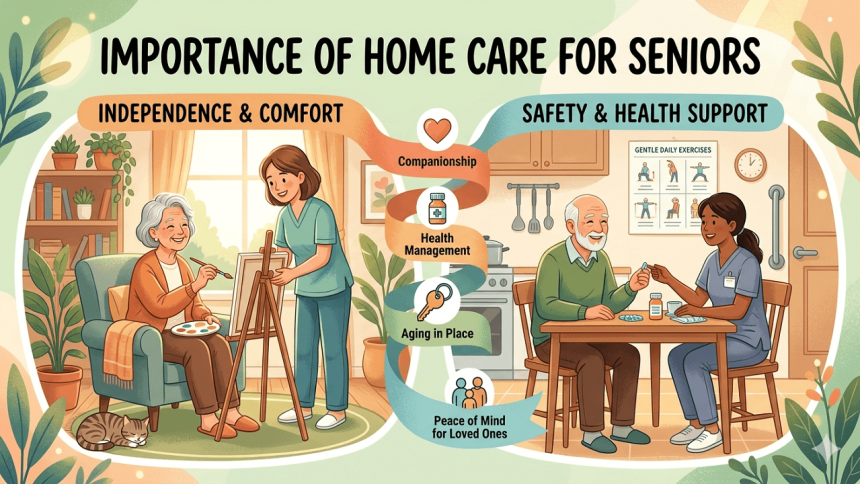
Let’s talk about the true importance of home care for seniors. Getting help right where they already live completely changes the game. It brings a safety net into the living room without forcing a heartbreaking move. We need to look at why this approach works so well, from keeping your parents safe to saving your own sanity.
Why Staying Put Makes Total Sense
You really have to think about what a house means to someone in their eighties. It is not just a roof and four walls. It is a massive, living scrapbook of their entire life. Every dent in the hardwood floor and every picture hanging on the wall holds a specific memory.
The hidden power of knowing your surroundings
When you get older, your brain relies heavily on routine and familiar spaces. You know exactly how many steps it takes to reach the bathroom in the dark. You know how the kitchen faucet sticks if you pull it too hard. This is called spatial memory, and it takes zero effort to navigate.
If you suddenly drop an older person into a completely new facility, that mental map is just gone. It wipes the slate clean in the worst way possible. Disorientation kicks in fast, and they get scared. Bringing a caregiver into the house keeps that old map completely intact. The sights, smells, and sounds stay the same.
Here is what staying at home actually does for them:
- Lowers daily anxiety and sudden confusion
- Keeps their natural sleep schedule relatively normal
- Helps them hold onto their personal identity
- Makes basic things like eating and bathing feel less clinical
Giving them a say in their own life
Facilities have to run on tight schedules. They have dozens of people to feed and bathe. If breakfast is at seven, your dad has to eat at seven if he wants to sleep in, too bad.
This takes away their ability to choose. When people lose their choices, they tend to give up. A home caregiver works around your parent’s schedule, not the other way around. If your mom wants to eat a sandwich at ten at night, she can. She stays in charge of her own day, which gives her a reason to keep going.
Getting Rid of Daily Dangers
Let’s be honest about something. Regular houses are full of hidden traps. When we are young, we step over the clutter. We don’t think twice about a slippery bathroom floor or a dark set of stairs.
Stopping falls before they happen
A simple throw rug is basically a landmine for someone who shuffles their feet. Bad lighting in a hallway can easily lead to a terrible accident. For an older person, a fractured hip is usually the start of a really bad downward spiral. It means hospital stays, infections, and the loss of independence for good.
Having a professional in the house stops these accidents before they even happen. Caregivers see the hazards we walk right past. They pick up the clutter. They help with the scary stuff, like getting out of a wet shower or standing up from a low armchair. It is basically a safety net that doesn’t feel like a hospital room.
The messy pill bottle situation
Have you ever actually looked at a senior’s daily medication list? It is a giant mess. Take this pill with a full meal. Take that one on an empty stomach. Make sure you don’t take these two at the same time.
It is confusing enough for a healthy thirty-year-old. For an aging parent with mild memory issues, it is a total disaster waiting to happen. Mixing up blood pressure meds or forgetting blood thinners can cause a real medical emergency fast. A home caregiver handles this entire headache. They organize the pills, watch for weird side effects, and make sure the right dose happens at the exact right time.
Getting your relationship back
This is where the importance of home care for seniors really shines. When you hire someone to do the heavy lifting, you get to be a daughter or son again.
You can actually sit on the couch and watch a baseball game with your dad. You can talk about the grandkids instead of fighting over a missed doctor’s visit or a skipped shower. Bringing in a pro removes the toxic stress from your relationship.
Here is what professional help takes right off your plate:
- Daily meal prep and frustrating grocery runs
- The physical strain of lifting them out of bed
- Reminding them to bathe or change dirty clothes
- Constant, nagging worry while you are stuck at work
Dealing with dementia at home
Memory loss diseases are just brutal. Logic stops working entirely. An aging parent might get terrified of a shadow on the wall or become super aggressive out of nowhere.
If you move someone with Alzheimer’s to a loud, busy nursing facility, they usually get much worse. The noise, the alarms, and the strange new faces absolutely terrify them. A trained dementia caregiver knows exactly how to handle these bad moments. They use calm voices and effective redirection. Keeping your parent in a familiar, quiet living room keeps them so much calmer.
Coming home from the hospital
The first few weeks after a hospital stay are super risky. Your parent is weak and probably heavily medicated. The discharge papers they hand you are a mile long and totally confusing.
A temporary home care team can step in to manage this super fragile window. They make sure the physical therapy exercises actually get done. They monitor the surgical incisions for early signs of infection. Once your parent is strong again, the team packs up and leaves. It keeps them from ending up right back in the emergency room.
Making the Right Call for Your Family
Aging doesn’t have to mean packing up boxes and moving to a sterile room. That old way of thinking is just outdated. We have much better options now.
Keeping them in the house they love is totally possible when you have the right backup. It protects their dignity while keeping them incredibly safe. If you see your parents struggling with basic stuff, please don’t ignore it. Write down what they need help with the most right now. Then, start looking into local caregivers. Getting a little help now prevents a massive crisis later. You get to sleep peacefully at night, and they get to keep their home.
Final Verdict
Home care services for seniors are more than just convenience—they’re about preserving what matters most. Staying in their beloved home lets them hold on to their memories, their choices, and their independence. It’s safer, less disruptive, and much kinder for families and seniors alike.