Introduction
Not every product can be protected using rigid packaging materials or standard cardboard inserts. Some items have delicate surfaces, unusual shapes or multiple components that need to remain separated during transportation. In these situations, flexible foam can provide the cushioning and adaptability required to create a more suitable packaging arrangement.
Polyurethane foam is widely used in protective applications because it is available in different densities, thicknesses and grades. Its flexible structure makes it particularly useful for products that need softer cushioning or individual compartments.
For manufacturers, retailers and businesses distributing sensitive goods, understanding the available Polyurethane packaging solutions can help improve product protection and make everyday packing operations more efficient.
What Makes Polyurethane Foam Suitable for Packaging?
Polyurethane is a versatile polymer that can be manufactured into flexible foam with different physical characteristics. Depending on the grade selected, it can provide softness, cushioning and support for a variety of products.
Its flexibility allows the material to accommodate different shapes and dimensions. This makes it useful when packaging items that cannot be secured effectively using standard inserts.
Polyurethane foam is also available in different thicknesses and densities, allowing packaging designers to select materials according to the level of cushioning required.
For example, lightweight products may need softer foam to protect their surfaces, while heavier items require a more carefully selected specification to provide sufficient support.
The important consideration is matching the material to the product rather than assuming one foam type will work for every application.
Protecting Products with Irregular Shapes
One challenge faced by many manufacturers is packaging products that do not have simple rectangular dimensions.
Equipment housings, specialist instruments, decorative products and assembled components may have curves, projections or fragile sections that need additional protection.
Standard cartons can provide external coverage, but the internal space still needs to be managed properly.
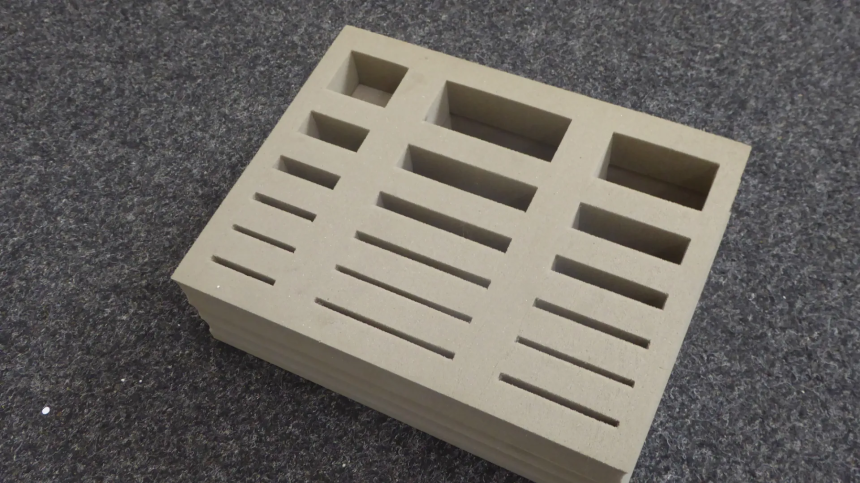
Flexible polyurethane foam can be cut into inserts that accommodate specific product shapes. These inserts help hold items in position and reduce unnecessary movement inside the package.
For more complicated designs, several foam sections can be combined to create individual compartments. This can be particularly useful when a product is supplied with accessories, cables or smaller components.
Different Applications for Polyurethane Packaging
Polyurethane foam can be used in a wide range of commercial and industrial packaging environments.
Electronics and Electrical Equipment
Electronic devices often contain delicate components and finished surfaces that need protection from impacts and scratches.
Foam inserts can provide cushioning around the equipment while keeping accessories separated.
The packaging design should also consider whether electrostatic protection is required. Standard polyurethane foam should not automatically be assumed to provide anti-static or electrostatic discharge protection; suitable specialist grades may be necessary.
Medical and Technical Instruments
Medical and technical equipment can contain several components that need to remain organised during storage and transportation.
Custom foam compartments can provide designated spaces for instruments, accessories and replacement parts.
This arrangement can make it easier for employees to identify missing components and return equipment to its correct position after use.
Material suitability and cleaning requirements should be assessed carefully for applications involving medical devices.
Industrial Components
Manufacturers often distribute smaller components alongside larger assemblies. These products may have delicate finishes or specific areas that should not come into contact with other items.
Polyurethane foam can be shaped to provide cushioning around individual components.
This helps create a more organised packaging system and can reduce the need for loose filling materials.
Retail and Presentation Packaging
Packaging influences the way a product is presented when customers open a box.
Premium retail products, corporate gifts and demonstration kits can benefit from neatly arranged internal foam sections.
A carefully designed insert can hold products in place while creating a clean and professional appearance.
Tools and Specialist Equipment
Businesses transporting tools and instruments between different sites need practical packaging that supports repeated handling.
Foam inserts can be designed around individual tools, helping prevent contact between metal surfaces and keeping equipment organised inside carrying cases.
Selecting the Right Foam Density and Thickness
Choosing polyurethane foam involves more than deciding whether a material feels soft or firm.
Density, thickness and the overall insert design all influence how the packaging performs.
Density describes the mass of foam within a particular volume. Different densities can provide different support and cushioning characteristics.
Thickness determines how much material is available between the product and the surrounding packaging. It should be appropriate for the expected handling conditions and available space.
Compression characteristics are also important. Foam must be able to absorb the expected impact without becoming excessively compressed and allowing the product to contact the outer packaging.
For this reason, testing a proposed design can be useful before moving into larger production quantities.
The Value of Custom Foam Inserts
A standard sheet of foam may provide general cushioning, but a custom insert can offer a more controlled arrangement.
Advanced Protective Packaging provides bespoke foam conversion services to help customers develop packaging around their products.
Depending on the application, polyurethane foam can be cut into different shapes and dimensions to accommodate individual items.
For example, a packaging insert containing several accessories may include separate recesses for each component. This helps prevent movement and makes unpacking more straightforward.
Custom inserts can also be designed to work with existing cartons, allowing businesses to improve internal protection without completely changing their external packaging.
Combining Polyurethane with Other Packaging Materials
In some applications, polyurethane foam works best as part of a larger packaging system.
An external corrugated carton can provide structural support, while internal foam sections cushion the product. Additional wrapping or protective layers may be included where the application requires them.
Advanced Protective Packaging supplies a wider selection of materials, including polyethylene, expanded polystyrene and Plastazote.
Each material has different characteristics, so combining them can help address applications with multiple protection requirements.
For instance, a business might use a rigid external structure alongside flexible foam around delicate components. This provides a coordinated approach rather than depending on one material to perform every function.
Making Packaging More Efficient for Businesses
Packaging decisions can affect productivity throughout a business.
When products are difficult to pack, employees may spend additional time arranging protective materials or adjusting unsuitable cartons. Loose components can also create problems during storage and dispatch.
Custom-designed inserts provide a consistent packing arrangement. Employees know where products belong, and the same configuration can be repeated for future orders.
Correctly sized packaging may also reduce unnecessary material usage and improve storage organisation.
Businesses with regular dispatch requirements can benefit from reviewing their existing packaging to identify opportunities for improvement.
Working with a Specialist Packaging Supplier
Developing effective packaging requires an understanding of both materials and product requirements.
Advanced Protective Packaging works with businesses to identify suitable foam specifications and develop standard or bespoke packaging arrangements.
Its product range includes polyurethane alongside polyethylene, polystyrene and specialist foam materials.
The company can also supply outer cartons and additional packaging products, helping customers coordinate their internal and external packaging requirements.
Working with a supplier that understands different foam materials can make it easier to compare options, evaluate samples and select a design that suits the intended application.
Conclusion
Polyurethane foam provides a flexible option for businesses that need cushioning around delicate products, unusual shapes and specialist equipment. Its availability in different densities and thicknesses makes it adaptable to a variety of packaging requirements.
From electronic equipment and industrial components to presentation cases and technical instruments, properly designed foam inserts can improve product organisation and reduce unnecessary movement during transportation.
Businesses exploring Polyurethane packaging solutions should consider the product’s dimensions, weight and protection requirements before selecting a material. Advanced Protective Packaging offers bespoke designs and Polyurethane packaging options alongside other protective materials, helping companies develop practical packaging systems for their products