Introduction
Commercial buildings rely on electrical systems to support employees, customers, equipment and essential business activities. From office lighting and computer networks to refrigeration, machinery and security systems, electricity plays a central role in keeping most workplaces operational.
However, the importance of electrical infrastructure can make its maintenance easy to overlook. When equipment continues working, managers may assume that the underlying installation remains safe.
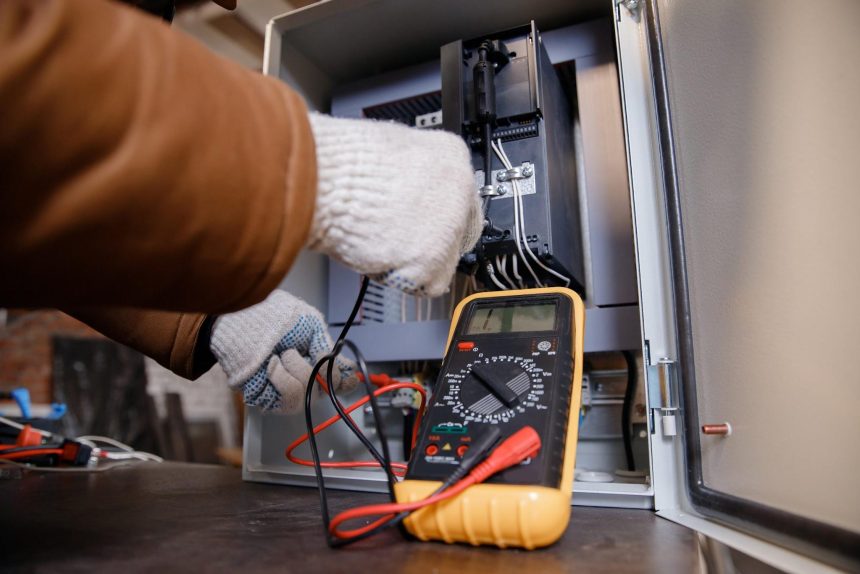
Electrical testing provides a more informed way to assess the condition of an installation, identify defects and determine whether further action is required.
Why Commercial Electrical Systems Need Attention
Commercial electrical installations often operate under different conditions from those found in ordinary homes.
Offices may run computers, printers, communication equipment and lighting throughout the working day. Retail premises can depend on display lighting, payment systems, refrigeration and security equipment. Workshops and industrial facilities may operate machinery with substantial electrical demands.
The intensity of use, environmental conditions and nature of the equipment can all influence maintenance requirements.
As businesses expand or reorganise their premises, electrical installations may also be modified. Additional circuits, relocated equipment and new machinery can change the demands placed on the existing system.
Without suitable inspection and maintenance, deterioration or unsuitable alterations may go unnoticed.
A planned approach to electrical testing helps businesses understand their installations and make decisions based on their actual condition.
How Electrical Testing Supports Workplace Safety
Electrical defects can create risks for employees, customers, contractors and visitors.
Damaged wiring, deteriorated insulation, unsuitable protective devices and other deficiencies may expose people to electric shock or increase the risk of electrical fires.
Testing helps identify certain problems that cannot be reliably detected through routine observation alone.
An Electrical Installation Condition Report can provide an assessment of an existing installation, highlighting defects and observations that may require remedial work or further investigation.
The findings help responsible managers understand which issues need attention and which improvements may be considered as part of longer-term maintenance.
Testing does not replace every other safety measure. Businesses must also consider equipment maintenance, safe working procedures, appropriate training and any additional requirements relevant to their operations.
Reducing Disruption Through Planned Inspections
Unexpected electrical failures can be expensive for businesses.
A fault may interrupt production, prevent employees from using essential equipment or affect services provided to customers. Depending on the installation, resolving the problem may also require urgent contractor attendance and unplanned expenditure.
Planned inspections provide an opportunity to identify potential concerns before they develop into more disruptive problems.
Where testing identifies remedial work, the business can assess the findings and organise the necessary action. Depending on the nature of the work, it may be possible to schedule repairs outside normal operating hours or coordinate them with an existing maintenance programme.
However, serious electrical hazards should not be postponed simply for convenience. The urgency of any action should reflect the findings and the level of risk.
Businesses arranging Electrical Testing Telford can discuss their premises, operating requirements and inspection needs with a suitably competent electrical contractor.
What an Electrical Condition Report Can Reveal
An EICR examines the condition of an existing electrical installation within the agreed scope of the inspection.
The assessment may identify damaged accessories, deterioration, inadequate protective arrangements, unsuitable modifications or other issues affecting electrical safety.
The electrician considers the installation against relevant requirements and records observations in the report.
Where the report identifies a potentially dangerous condition, appropriate remedial action should be arranged. Further investigation may also be necessary if the available evidence is insufficient to determine the extent or cause of a problem.
Businesses should ensure that the findings are understood by the people responsible for maintaining the premises.
Keeping records of reports, completed repairs and subsequent alterations can help create a clearer picture of the installation’s history.
Managing Electrical Testing Across Different Premises
Organisations operating several properties may face additional challenges when arranging inspections.
Each building can have a different layout, installation age, electrical demand and maintenance history. A process that works for a small office may not be appropriate for a warehouse, restaurant or industrial facility.
A property register can help managers keep track of inspection reports, identified defects, maintenance activities and upcoming review dates.
It can also make it easier to identify recurring issues across different locations.
The inspection schedule should reflect the specific requirements of each installation rather than applying an identical interval without considering the circumstances.
Professional advice can help businesses determine an appropriate approach and identify which locations require particular attention.
Electrical Testing Following Renovations and Equipment Changes
Changes to commercial premises can affect electrical safety.
When businesses install new machinery, redesign office layouts or refurbish customer areas, electrical work may be required to accommodate the revised arrangement.
Appropriate verification and testing should be completed for new installations and relevant alterations. The precise requirements depend on the work undertaken and the applicable standards.
Before introducing equipment with significant electrical demands, businesses should also consider whether the existing installation can accommodate it.
For example, additional machinery or charging equipment may require changes to circuits, distribution arrangements or protective measures.
Planning these requirements early can help reduce installation delays and avoid unsuitable modifications.
Working With a Competent Electrical Contractor
The quality of an electrical inspection depends on the competence of the person undertaking it.
Commercial property managers should check relevant qualifications, experience, insurance and professional accreditation. They should also establish whether the contractor has experience with the type of premises and electrical installation involved.
A clear quotation should explain the proposed scope of the inspection and any limitations that may apply.
After the work, the contractor should provide the appropriate documentation and explain significant observations in terms the client can understand.
Severn Volts Limited offers electrical testing and inspection alongside electrical installation and fault-finding services for domestic, commercial and industrial customers.
Businesses searching for Electrical Testing Shropshire can explore the company’s services to discuss the electrical requirements of their offices, retail premises, workshops or other commercial properties.
Responding to Inspection Findings
An inspection report is only one part of effective electrical maintenance. The findings must be reviewed, prioritised and addressed appropriately.
Businesses should ensure that serious defects are dealt with promptly and that recommended improvements are considered in light of their circumstances.
Where remedial work is completed, relevant records should be retained. Additional testing or verification may be necessary to confirm that the work has addressed the identified issue.
This process supports more accountable maintenance and makes it easier for managers to understand the condition of their electrical infrastructure.
Build a More Reliable Workplace
Commercial electrical testing helps organisations make informed decisions about the safety and condition of their installations.
By arranging appropriate inspections, maintaining clear records and responding to defects, businesses can improve their understanding of electrical risks and plan maintenance more effectively.
Combined with competent electrical work and sensible operational procedures, a structured testing programme supports safer workplaces and helps organisations manage their electrical infrastructure with greater confidence.