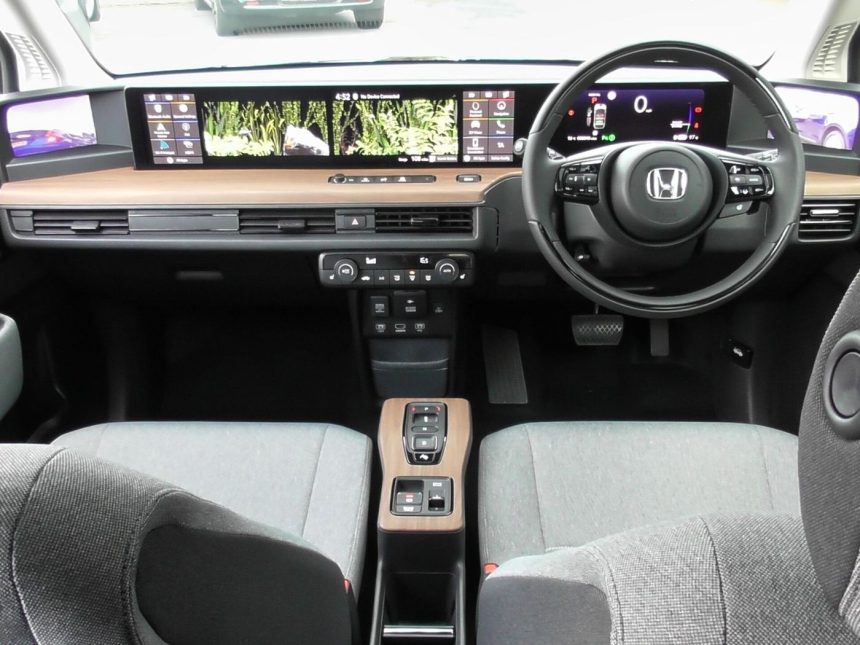
Electric car owners are receiving over the air software updates that redesign dashboard displays, improve route planning and refine battery management without a visit to a dealer. The latest releases add charging stops based on real time availability, estimate range more accurately in cold weather and simplify controls that drivers previously found buried in menus. Carmakers say software has become central to the ownership experience. A vehicle bought two years ago can now feel noticeably newer. Specialists following electric vehicle software updates say the shift changes how buyers judge value. Long update support and clear release notes matter alongside acceleration and range. Drivers welcome fixes delivered overnight, but they also expect stability. A buggy update that slows screens or resets settings can undermine confidence quickly, so manufacturers are expanding beta testing with volunteer owners. Physical controls remain a lively debate. Several brands are restoring buttons for heating and volume after customer feedback that touch only interfaces can distract drivers. The emerging consensus blends touchscreens for information with simple tactile controls for the functions used most while driving.
What the Evidence Shows
Battery related updates attract particular attention because small efficiency gains translate into useful extra range. Software can precondition the battery before fast charging, adjust energy use in traffic and learn regular routes to predict consumption. Owners are advised to install updates while parked with sufficient charge, and most systems allow scheduling overnight. Resale values may increasingly reflect software support, since a car cut off from updates ages faster technologically. Fleet operators use the same systems to track vehicle health and plan maintenance before faults become breakdowns. Cybersecurity is critical, because remote updates must be protected against tampering. Carmakers employ signed software packages and staged rollouts that can pause if problems appear. Regulators are developing expectations for update transparency and safety testing. For drivers, the best updates are almost invisible: the car simply plans better journeys, charges more conveniently and presents information more clearly than it did the week before. Reporting and analysis from sources such as IEEE Spectrum track the same developments, and specialists following electric vehicle software updates say the direction is now consistent across independent lines of evidence.
The Wider Context
Adoption of electric vehicle software updates follows a familiar pattern with an unfamiliar speed. Early users tolerate rough edges in exchange for advantage, mainstream users arrive when the tool disappears into existing workflows, and the market consolidates around whoever made that transition feel effortless. Vendors are racing less on raw performance now than on integration, support and trust.
What Happens Next
The realistic forecast for electric vehicle software updates is steady integration rather than sudden replacement: embedded in products people already use, improving in increments, and regulated in proportion to its reach. The companies and institutions that plan on that basis, training staff and redesigning processes instead of chasing launches, are the ones the adoption data tends to vindicate. You can follow related developments in our coverage of technology.
It is also worth remembering how quickly the picture in this area has changed before. Positions that looked settled a few years ago have been revised as new data arrived, and the same humility is appropriate now. The strongest coverage of this subject, and the most useful advice, tends to come from sources that update their views openly when the facts move, rather than defending an earlier position long after it has stopped fitting the evidence available.