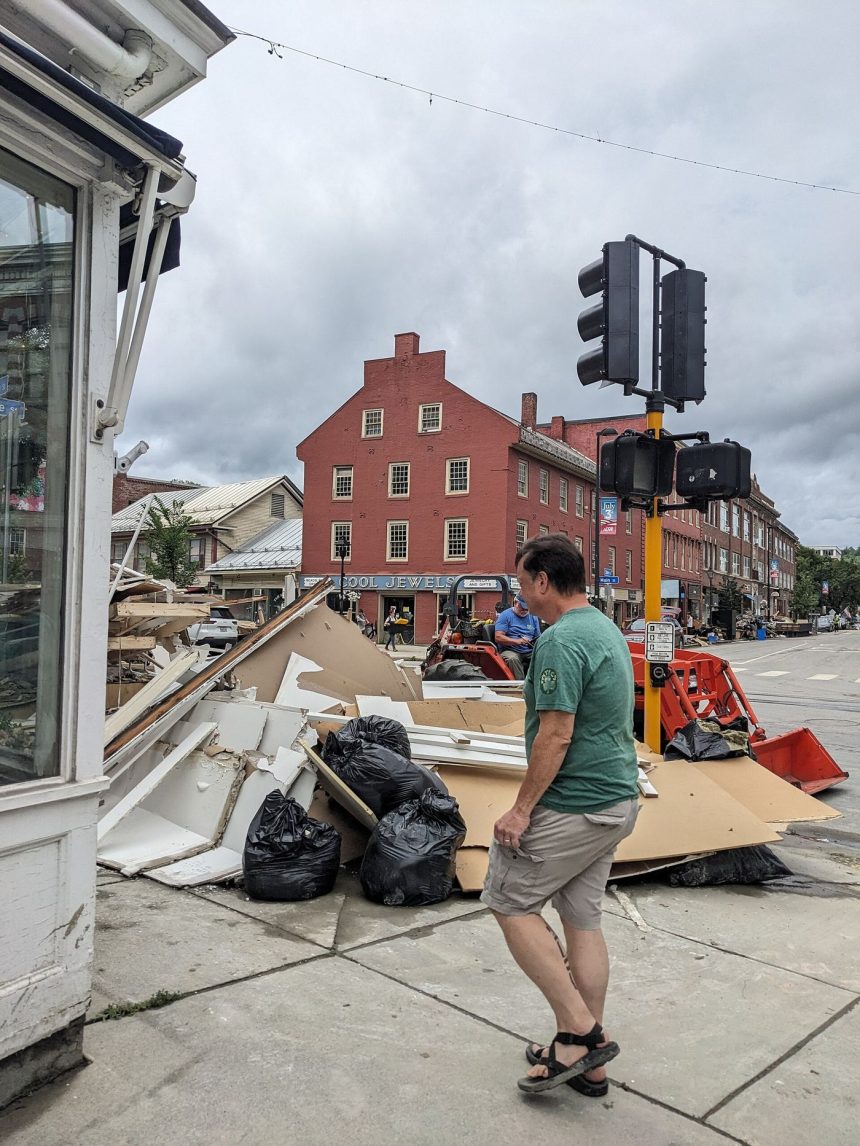
Towns hit by repeated flooding are speeding up upgrades to drainage systems, river defences and flood storage after storms that caused costly damage to homes, businesses and roads. In several regions, streets that once flooded rarely now fill with water several times a year, overwhelming drains designed for a different climate. Local councils say the work cannot wait, and they are bringing forward projects that were previously scheduled years into the future. The upgrades include larger storm drains, permeable pavements that let rain soak away, and upstream storage areas that hold water back before it reaches built-up areas. Engineers stress that no single measure can prevent flooding entirely, especially when extreme rainfall overwhelms even new systems, but they say the combination can reduce both the frequency and the depth of flooding. Residents, meanwhile, want action they can see, after years of sandbags and emergency clean-ups.
What the Evidence Shows
Funding the work is one of the biggest challenges. Drainage upgrades are expensive, and councils must compete for limited central government grants while also maintaining existing infrastructure. Some towns are working with water companies and farmers to manage water across whole river catchments, rather than treating each flooded street in isolation. Nature-based solutions are gaining favour, including restored wetlands and tree planting on hillsides, which slow the flow of water and provide wildlife benefits at the same time. Insurers are watching the investment closely, since effective defences can keep premiums affordable and properties insurable. Homeowners in flood-prone areas are also being encouraged to install their own measures, such as flood doors and raised electrical sockets, though experts say household action is no substitute for proper infrastructure. The test will come with the next major storm, when towns will find out whether the money spent has made a real difference to the water at their doors. Reporting and analysis from sources such as Reuters track the same developments, and specialists following flood drainage upgrades say the direction is now consistent across independent lines of evidence.
The Wider Context
The wider context is a public conversation conducted at a speed institutions were not built for. Developments around flood drainage upgrades are announced, contested and revised within a single news cycle, and the officials involved have learned to publish evidence alongside claims so that scrutiny can actually occur. Trust, the polling suggests, follows that transparency more than it follows confidence.
What Happens Next
What happens next in the story of flood drainage upgrades will be decided in the places where it is being implemented, measured and argued about in public. The officials and organisations involved have committed to publishing progress data, and that commitment gives residents, businesses and journalists something firmer than promises to judge. The next milestones are dated, which means they can be checked. You can follow related developments in our coverage of news.
There is a practical lesson in all of this for readers deciding what to do today. Start with the verified facts, be wary of anyone promising certainty, and prefer reversible steps while the evidence is still developing. Circumstances differ by country, income and personal situation, so general guidance should always be weighed against your own context before you act on it in any significant or lasting way.