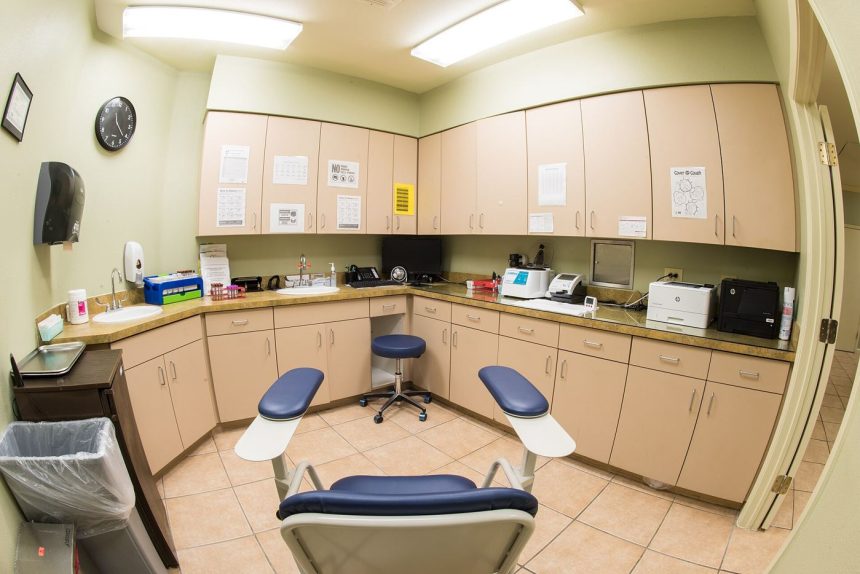
Community clinics in several regions are extending their evening hours this winter, offering appointments for minor injuries, infections, dressings and long-term condition reviews well beyond the traditional working day. Health leaders hope the longer hours will ease pressure on hospital emergency departments, where many patients arrive with problems that could be treated safely closer to home. The clinics are staffed by mixed teams of nurses, paramedics, pharmacists and GPs, with access to basic tests and X-rays on some sites. For working adults and parents, an appointment at seven in the evening can mean treatment without losing a day’s pay or arranging emergency childcare during school and office hours. Funding for the extended hours comes from local health budgets that previously paid for overflow hospital clinics, and managers believe neighbourhood sites offer better value as well as convenience. Travel is shorter for most patients, parking is simpler, and clinics can often see minor problems faster because their queues are smaller and their services are focused. Staff recruited for the evening rotas include recently retired clinicians returning part-time, who bring experience and help mentor newer team members during busy winter shifts across the participating sites in the region.
What the Evidence Shows
Early attendance figures suggest the evening slots fill quickly, particularly for children’s fevers, ear pain, sprains and urinary infections. Managers are monitoring whether the service genuinely diverts demand from hospitals or mainly meets previously unmet need, which would still be valuable but changes the cost calculation. Patients are advised to check local listings, because hours and services vary between sites, and some clinics require booking through a central line. Clinicians remind the public that chest pain, severe breathlessness and signs of stroke always belong in emergency care, however convenient the local clinic may be for less serious problems. Patient feedback collected so far highlights communication as the next improvement needed, because many residents still do not know the clinics exist or what they treat. Local advertising, pharmacy posters and text messages from GP practices are being used to spread the word. If awareness rises alongside capacity, health leaders believe community clinics can become the natural first call for urgent but non-emergency problems, reserving hospitals for the seriously ill who need their specialist care most. Reporting and analysis from sources such as The Lancet track the same developments, and specialists following extended community clinic hours say the direction is now consistent across independent lines of evidence.
The Wider Context
Equity runs through every discussion of extended community clinic hours. Interventions that require apps, fees or free weekday afternoons reliably reach the people who need them least, so the programmes earning praise are those designed around clinics, workplaces and community venues that already serve everyone. Evaluation reports now publish uptake by income and region as a matter of routine.
What Happens Next
The practical takeaway on extended community clinic hours is deliberately unglamorous: it works best as part of ordinary, well-delivered care rather than as a standalone fix. Health services are planning on that basis, building the referral routes and follow-up that turn a promising result into population benefit. The gains arrive slowly and then, in the statistics, unmistakably. You can follow related developments in our coverage of health.
It is also worth remembering how quickly the picture in this area has changed before. Positions that looked settled a few years ago have been revised as new data arrived, and the same humility is appropriate now. The strongest coverage of this subject, and the most useful advice, tends to come from sources that update their views openly when the facts move, rather than defending an earlier position long after it has stopped fitting the evidence available.