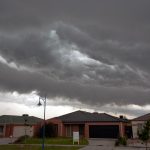
Seasonal planning used to revolve around sales cycles, tourism peaks and holiday demand. Now, board agendas begin with a different question: what kind of summer or winter is coming. Heatwaves, sudden floods, hailstorms and wind events no longer look like rare anomalies. For many companies, the next season already carries a price tag in the form of physical damage and business interruption.
Traditional risk models sometimes resemble games of chance. Attention often drifts to digital distractions and volatility in areas such as fan tan game online platforms, while physical climate exposure grows quietly in the background. When the first serious storm hits, gaps in coverage turn from theoretical discussion into very real cash losses.
Why existing policies no longer match new climate realities
Many businesses still rely on insurance programs designed for a more predictable past. Coverage limits were set when hundred year events seemed far apart. Deductibles were tuned to minor incidents, not to consecutive weeks of extreme heat or repeated flooding within one season. As data from recent years accumulates, insurers reassess risk and adjust pricing, while many insureds continue to renew with minimal changes.
A careful review often reveals several weak spots. Property policies may exclude some types of water damage. Contingent business interruption may not respond when suppliers in another region are hit by wildfires or storms. Parametric covers that could provide faster payouts remain unexplored, simply because no one revisited product options in detail.
Key questions before the next renewal cycle
- climate patterns in core regions
Which types of events increased during the last five years, and how did that change the expected frequency of losses. - vulnerability of critical assets
Which facilities, warehouses and data centers sit in zones with higher flood, wind or wildfire exposure, and what would one serious event do to operations. - supply chain and logistics sensitivity
Which suppliers, carriers or ports represent single points of failure under extreme weather conditions. - financial shock tolerance
How large a loss could the business absorb without threatening strategic projects or basic liquidity.
Answering these questions does not require perfect forecasts. The goal is to replace vague anxiety with tangible scenarios, so that insurance choices become part of a deliberate resilience strategy, not just a line item on a renewal calendar.
Building climate aware coverage instead of buying limits by habit
Once risk mapping is complete, attention can shift from generic coverage to tailored solutions. Many insurers now offer climate related analytics, parametric triggers based on rainfall, temperature or wind speed, and broader business interruption wording aligned with real operational flows. The challenge lies less in product scarcity and more in the effort required to redesign the program.
A practical approach often starts with segmentation. Physical assets, digital infrastructure, people and suppliers face different types of climate pressure. Each group may need specific treatment. Property limits might be increased in one region and reduced in another. Deductibles can be reshaped to keep frequent small events self insured while preserving protection against catastrophic scenarios.
Communication with brokers and insurers also changes. Instead of asking only about premium reductions, management can present a clear view of climate strategy: adaptation investments, drainage or fire protection upgrades, supplier diversification, remote work capability. Such transparency often supports better terms, because underwriters gain confidence that risks are actively managed, not ignored.
Concrete steps to upgrade insurance before the next season
- scenario planning with real numbers
Create a handful of realistic extreme weather scenarios and estimate direct damage, downtime and reputational impact for each one. - alignment with operational continuity plans
Ensure disaster recovery, remote work and backup site plans match the events that insurance is expected to cover. - exploration of alternative covers
Review parametric solutions, excess layers and specialty policies that respond faster or more precisely to climate triggers. - annual climate briefing for decision makers
Set a recurring internal session before renewal where risk, finance and operations review fresh data and adjust priorities.
These steps do not eliminate climate risk, yet they transform the nature of conversations around it. Instead of reacting in panic after every major storm, the organisation treats extreme weather as a strategic variable that can be measured, priced and partially transferred.
From single season thinking to long term resilience
The next season always arrives faster than expected. Businesses that adjust coverage only under pressure of recent headlines tend to swing between overreaction and complacency. A longer view treats each renewal as a chance to align insurance with real world climate trends, emerging regulations and evolving stakeholder expectations.
Climate aware insurance is not just a matter of higher limits. It becomes a mirror for the overall resilience strategy. A company that invests in better building standards, diversified logistics and robust digital infrastructure will often find more attractive terms and conditions. In this sense, the insurance market quietly rewards disciplined adaptation.
Extreme weather will continue to test the gap between plans and reality. Those who use the coming season to rethink coverage, sharpen scenarios and strengthen relationships with risk partners are more likely to navigate the next shock without losing strategic momentum.