Most of what people know about wakefulness-promoting drugs comes from studies in young or middle-aged adults: students, shift workers, pilots, patients with narcolepsy diagnosed in their twenties. Yet a substantial share of the people who actually take modafinil and armodafinil are over 65, prescribed for sleep apnea-related sleepiness, for fatigue in Parkinson’s disease, or for excessive daytime sleepiness that developed late in life. Aging changes how these drugs are absorbed, metabolized, and tolerated, and it changes the risk calculation around them.
This article looks specifically at the older adult: what a eugeroic can offer, where the risks concentrate, and how dosing typically shifts. It is written for patients, caregivers, and family members trying to understand a prescription, not as a substitute for the clinician who wrote it.
Why Daytime Sleepiness Is Common Later in Life
Excessive daytime sleepiness in older adults is rarely just “getting old.” It almost always has an identifiable driver, and the drivers pile up with age.
- Obstructive sleep apnea becomes markedly more common after 60, and residual sleepiness often persists even with CPAP.
- Fragmented night-time sleep from nocturia, pain, restless legs, or medication effects leaves the day under-rested.
- Neurological conditions such as Parkinson’s disease, multiple sclerosis, and post-stroke fatigue carry daytime sleepiness as a core symptom.
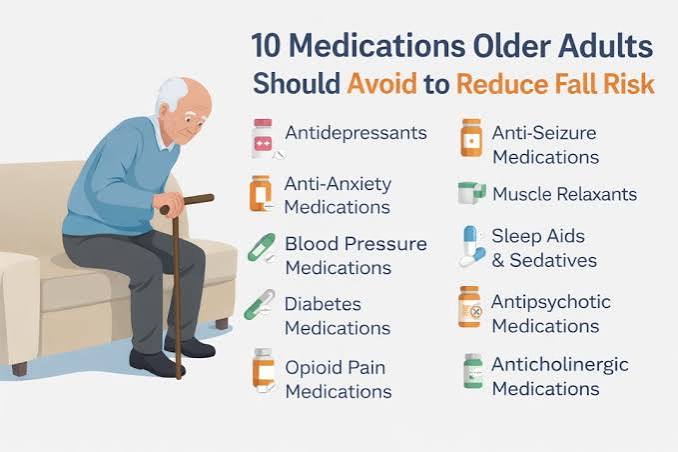
- Sedating medications are everywhere in older prescriptions: antihistamines, benzodiazepines, opioids, some antidepressants, and certain blood pressure drugs.
- Circadian changes shift the internal clock earlier, producing early-morning waking and afternoon sleepiness.
Because the causes are so varied, the first step with an older patient is always to find and treat the underlying problem. A eugeroic is a second-line tool for sleepiness that remains after that work is done, never the opening move.
How Aging Changes the Pharmacology
Modafinil is metabolized primarily in the liver, mostly through amide hydrolysis with a contribution from cytochrome P450 enzymes, and its metabolites are cleared through the kidneys. In healthy young adults the half-life is about 12 to 15 hours. In older adults, clearance is reduced and the half-life extends, meaning the same dose produces higher blood levels that last longer. Armodafinil, the R-enantiomer, shows the same pattern, with its roughly 15-hour half-life stretching further with age.
Several factors drive this.
Reduced hepatic and renal function
Liver blood flow and enzyme activity decline gradually with age, and kidney function declines predictably, even in people with no diagnosed liver or kidney disease. Both slow the drug’s exit from the body.
Changing body composition
Older adults typically carry proportionally more fat and less lean mass and water. For a lipophilic drug like modafinil, this alters distribution and can prolong effects.
Polypharmacy
The average person over 65 takes several prescription medications. Modafinil induces some liver enzymes (notably CYP3A4) and inhibits others (CYP2C19), which can raise or lower the levels of other drugs. That interaction burden is much heavier in an older patient with a long medication list.
Benefits That Are Well Supported
When an older adult has genuine excessive daytime sleepiness that persists after the underlying cause is addressed, eugeroics can deliver meaningful gains.
- Reduced sleepiness in treated sleep apnea. This is the most common and best-supported use. Residual sleepiness despite good CPAP adherence responds to modafinil or armodafinil in many patients, improving daytime function and, importantly, driving safety.
- Fatigue in Parkinson’s disease. Evidence is modest and mixed, but some patients experience a worthwhile reduction in daytime sleepiness, and the drug’s mild profile makes it a reasonable trial when sleepiness is disabling.
- Alertness without stimulant-type cardiovascular strain. Compared with amphetamine-class stimulants, eugeroics produce smaller increases in heart rate and blood pressure, a relevant advantage in a population where cardiovascular disease is common.
- Low abuse potential. Modafinil and armodafinil are Schedule IV in the US and carry little risk of the dependence that makes stimulants risky in any age group.
Risks That Concentrate in Older Adults
The same properties that make eugeroics attractive carry specific hazards for older users.
Cardiovascular effects
Even modest increases in blood pressure and heart rate matter more in someone with hypertension, arrhythmia, or heart failure. Modafinil’s label advises caution in patients with a history of certain cardiac conditions, and older adults are more likely to have them. Regular blood pressure checks after starting are sensible.
Insomnia and sleep disruption
With a prolonged half-life, a standard morning dose can still be active at bedtime. In an older adult who already sleeps lightly, that can convert daytime sleepiness into a cycle of night-time insomnia and worsening daytime fatigue.
Drug interactions
Modafinil can reduce the effectiveness of some anticoagulants, statins, calcium channel blockers, and other CYP3A4 substrates, and can raise levels of drugs metabolized by CYP2C19. A pharmacist review of the full medication list is essential before starting.
Psychiatric and neurological effects
Anxiety, agitation, and, rarely, confusion or psychosis have been reported, and older adults with cognitive impairment are more susceptible. Headache, the most common side effect at any age, may be more troubling in a patient with limited tolerance for additional symptoms.
Falls and dizziness
Any drug that alters alertness, blood pressure, or sleep can indirectly raise fall risk, which is one of the most serious hazards for older adults.
Dose Adjustments in Practice
Prescribing guidance for older adults follows the general principle of “start low, go slow.”
| Parameter | Typical adult approach | Typical older adult approach
|
| Modafinil starting dose | 200 mg once each morning | 100 mg once each morning, sometimes lower |
| Armodafinil starting dose | 150 to 250 mg once each morning | 50 to 150 mg once each morning |
| Titration | Adjust after a few days | Adjust after one to two weeks, in small steps |
| Timing | Morning | As early as possible after waking |
| Hepatic impairment | Halve the dose | Halve or lower; consider avoiding |
| Monitoring | As needed | Blood pressure, sleep quality, mood, medication interactions |
A lower dose in an older patient is not merely a caution; it often produces the same benefit as a higher dose in a younger person because of the slower clearance. Many older adults do well on 100 mg of modafinil or 50 to 100 mg of armodafinil and never need more.
Adrafinil, the older prodrug that the liver converts to modafinil, deserves a specific warning here. Its reliance on hepatic conversion and its association with elevated liver enzymes during chronic use make it a poor choice in a population with declining liver function. It was discontinued by its manufacturer and has no place in geriatric care.
Practical Guidance for Patients and Caregivers
- Address the cause first. Ask whether sleep apnea has been ruled out or treated, whether sedating medications can be reduced, and whether pain or nocturia is fragmenting sleep.
- Bring the full medication list. Include over-the-counter drugs and supplements; interactions are the most preventable risk.
- Take the dose early. The earlier the dose, the less likely it will disrupt night-time sleep.
- Track blood pressure and sleep. A simple log for the first month gives the prescriber real data to work with.
- Report mood or thinking changes promptly. Agitation, confusion, or unusual anxiety in an older adult should never be dismissed as a normal side effect.
- Do not use it to skip sleep. A eugeroic manages pathological sleepiness; it cannot replace the restorative sleep that older brains need at least as much as younger ones.
Prescription rules for wakefulness drugs vary by country, and any older adult should start one only under medical supervision. A carefully chosen alertness booster at a conservative dose can restore a great deal of daytime function, but the margin for error narrows with age, and the prescriber’s oversight is what keeps the trade-off favorable.
FAQ
Is modafinil safe for someone over 70?
It can be, with a lower starting dose, a review of other medications, and attention to blood pressure and sleep. Safety depends less on age itself than on cardiovascular health, liver and kidney function, and the medication list.
Why did my parent’s doctor prescribe 100 mg instead of 200 mg?
Because clearance slows with age, 100 mg in an older adult can produce blood levels similar to 200 mg in a younger one. Starting low reduces the chance of insomnia, headache, and blood pressure effects while the response is assessed.
Can eugeroics help with dementia-related sleepiness?
Evidence is limited, and older adults with cognitive impairment are more prone to agitation and confusion from any alerting drug. Some clinicians try a low dose in selected cases; it is not a standard treatment.
Does armodafinil work better than modafinil in older adults?
The two are broadly similar in effect. Armodafinil’s slightly longer duration is a disadvantage when night-time sleep is fragile, so some prescribers prefer modafinil, or a low armodafinil dose, in this population.
What should a caregiver watch for after the first dose?
Difficulty sleeping that night, headache, elevated blood pressure, unusual restlessness, or confusion. Any of these warrant a call to the prescriber before the next dose.
Final Thoughts
Eugeroics have a legitimate role in the care of older adults whose daytime sleepiness persists after its causes have been addressed. The benefits, improved alertness, safer driving, and better daily function, are real, and the drugs’ modest cardiovascular and abuse profiles make them preferable to traditional stimulants in this group. The risks are equally real and are magnified by slower metabolism, longer medication lists, and fragile sleep. The answer is not avoidance but adjustment: lower doses, earlier timing, careful interaction checks, and close follow-up. Handled that way, a wakefulness-promoting drug can give an older person back a good part of the day.
For more topic guides and related resources, visit Modavance.