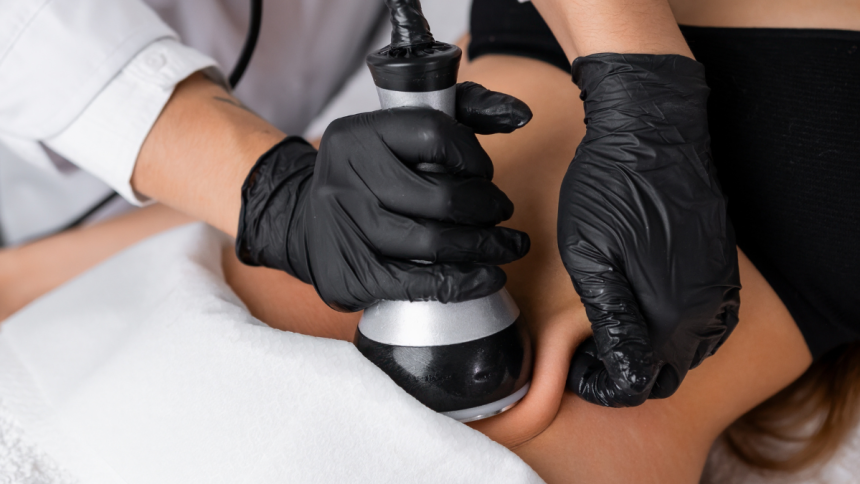
The category of non-invasive body treatments has expanded significantly over the past decade. New technologies and refined protocols have created options that were not available a few years ago, and the results achievable without surgery have improved considerably. For people who want to address specific body concerns without the recovery time, risks, and expense of surgical procedures, this landscape is worth understanding in detail.
But it is also a category where the marketing language can exceed the evidence, where unrealistic expectations lead to disappointment, and where the difference between a clinic that delivers real results and one that does not comes down to the technology, technique, and expertise behind the treatment.
The Body Clinic approach at a qualified med-spa addresses several distinct concerns through a range of technologies that work through different mechanisms. Understanding what each is designed to do helps you identify which is relevant to your goals.
Body Contouring and Fat Reduction
Non-surgical fat reduction technologies work by selectively targeting and destroying fat cells without damaging surrounding tissue. The two most commonly used categories are cryolipolysis (controlled cooling) and radiofrequency or ultrasound-based thermal technologies.
Cryolipolysis works by cooling adipose tissue to a temperature that triggers apoptosis, the programmed death of fat cells, without affecting surrounding skin or muscle. The destroyed cells are processed and eliminated by the body over the following weeks. Results are visible over two to four months and are generally permanent in the treated area, as the destroyed fat cells do not regenerate.
Radiofrequency and focused ultrasound approaches heat fat cells to the point of disruption. These technologies are often combined with skin tightening benefits because the thermal energy also stimulates collagen production in the dermis.
Realistic expectations are important. Non-invasive fat reduction is not a weight loss treatment. It is a body contouring tool designed to reduce localized fat deposits that do not respond well to diet and exercise. Candidates who understand this distinction are significantly more satisfied with results than those who approach it as an alternative to lifestyle changes.
Skin Tightening
Skin laxity is one of the concerns that has historically been most difficult to address without surgery. Non-invasive skin tightening technologies have improved, with radiofrequency microneedling representing one of the current evidence-based options for body skin tightening.
The mechanism involves delivering radiofrequency energy into the dermis through microneedles, stimulating collagen production and causing tissue contraction. The result, visible over several months as the new collagen matures, is firmer, tighter skin in the treated area.
Areas commonly treated include the abdomen after pregnancy or weight loss, the inner arms and thighs, and any area where skin laxity is a concern. Multiple sessions are typically required, and results depend on the degree of laxity and the individual’s skin quality and healing response.
Laser Hair Removal for Body Areas
Laser hair removal has been available for years and is one of the best-established non-invasive body treatments with a long track record. The laser targets melanin in the hair follicle, generating heat that damages the follicle’s ability to produce hair. Multiple sessions are required because laser is only effective on follicles in the active growth phase, which represents only a portion of follicles at any given time.
Modern laser platforms can treat a wider range of skin tones safely than earlier technology, making the treatment accessible to more people. For areas with dense or coarse hair, such as the legs, back, or underarms, the reduction in hair growth after a complete course of treatments is typically significant and long-lasting.
Cryotherapy for Skin Lesions
Cryotherapy using liquid nitrogen is used to remove benign skin lesions including moles, skin tags, and warts. The freezing destroys the target tissue while leaving surrounding skin intact. This is a fast, precise treatment with minimal downtime for appropriate candidates.
Not all skin lesions are suitable for removal without prior assessment. A clinical evaluation to confirm the nature of the lesion is standard practice before any removal procedure.
What to Look for in a Body Treatment Clinic
The technology platform matters, but so does who is operating it and how the treatment plan is developed. A legitimate med-spa performs a thorough intake consultation, reviews health history for contraindications, sets realistic expectations based on your specific situation, and has clinical oversight from a qualified medical director.
Ask about the specific device being used, the experience level of the practitioner performing the treatment, and what results you should realistically expect given your particular concern. A clinic that provides specific, honest answers to these questions is one worth trusting with your treatment.