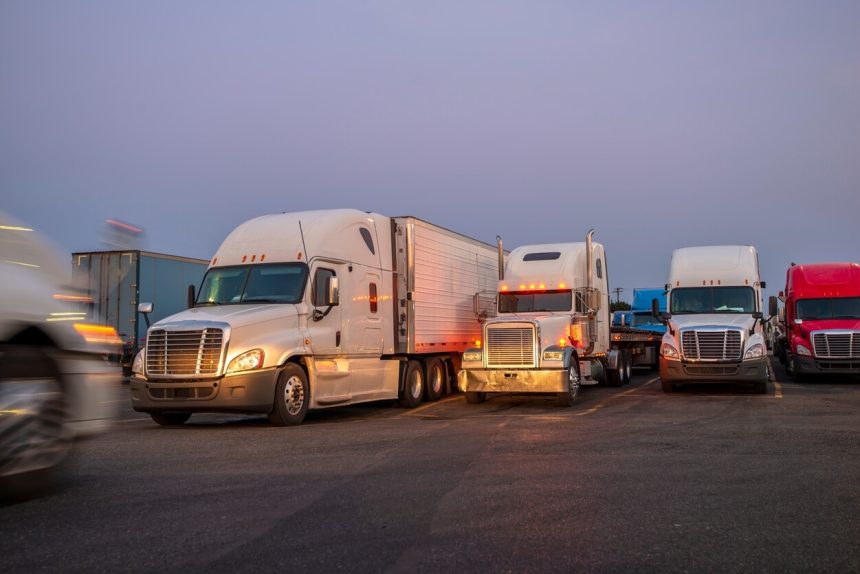
Finding the right place to park a commercial trailer is an important consideration for owner-operators, trucking companies, fleet managers, contractors, and logistics businesses. A suitable parking location should fit the trailer’s size, location requirements, rental duration, access needs, and operational schedule.
With different parking options available in many markets, comparing the details of each property before making a decision can help businesses avoid unnecessary complications. Online marketplaces such as Stackkly can make the process easier by bringing commercial parking opportunities together in one place.
1. Consider the Location
Location should be one of the first factors to evaluate when choosing commercial trailer parking. A conveniently located space can make it easier to access equipment and reduce unnecessary travel.
Consider parking near your regular operating area, warehouse, distribution center, customer locations, or major highways. If your business frequently moves trailers between different facilities, a strategically located parking space may make fleet operations more convenient.
Stackkly allows commercial vehicle operators to search for parking based on location, helping users explore options that may fit their routes and operational requirements.
2. Check Whether the Space Fits Your Trailer
Different trailers require different amounts of parking space. Before booking, verify that the property can accommodate the dimensions and type of trailer you plan to park.
Review the listing for information about vehicle types, space availability, access requirements, and parking restrictions. This is especially important for operators with dry vans, reefers, flatbeds, or other commercial trailers.
A suitable space should provide enough room for the trailer while allowing practical entry and exit.
3. Review Available Security Features
Security is another factor to consider when selecting a parking location. Depending on the property, facilities may offer features such as fencing, gates, lighting, surveillance cameras, or controlled access.
Security amenities vary by location, so do not assume that every property provides the same features. Review the individual listing carefully and consider which features are relevant to your equipment and parking requirements.
For trailers that will remain parked for an extended period, reviewing the property’s available features can be particularly useful.
4. Compare Rental Duration
Your parking needs may be short-term or recurring. Some businesses may need a space for a few days, while others may require a trailer to remain parked for several weeks or months.
Before choosing a location, determine the expected rental duration and look for terms that match your needs. Ask about minimum rental periods, renewal arrangements, payment schedules, and other applicable conditions.
Choosing an appropriate rental period can make budgeting and fleet planning easier.
Top Companies in Trailer Parking
Several companies and platforms provide services related to commercial truck and trailer parking. Coverage and availability can vary depending on the market, so businesses should review individual locations before booking.
- Stackkly – A commercial truck and trailer parking marketplace that helps owner-operators, fleet managers, trucking companies, and commercial vehicle operators find and book parking.
- Truck Parking Club – A platform connecting commercial truck drivers with available parking locations.
- Park My Truck – A service focused on helping commercial truck operators locate parking options.
- Truck Parking USA – A truck parking resource providing parking-related services and locations.
When comparing these platforms, consider location coverage, vehicle compatibility, rental duration, access, amenities, pricing, and booking procedures.
5. Check Access and Operating Requirements
A parking space may look suitable on paper but still be inconvenient if its access arrangements do not match your operations.
Before booking trailer parking, check how vehicles enter and exit the property. Review information about gates, access codes, operating hours, arrival procedures, and other property requirements.
If your business needs to retrieve a trailer outside standard business hours, make sure the property’s access arrangements accommodate your schedule.
6. Understand Pricing and Additional Fees
Parking prices can differ considerably based on location, rental duration, space size, property features, and local demand.
When comparing options, review the complete pricing information rather than focusing only on the base rental rate. Check for deposits, service charges, minimum rental requirements, or other applicable fees.
Understanding the total cost in advance can make it easier to compare parking locations and plan your operating budget.
7. Consider the Parking Surface and Property Condition
The condition of the parking area can also matter when selecting a location for commercial equipment. Depending on the property, surfaces may include asphalt, concrete, gravel, or other materials.
Review available property information and consider whether the parking area is appropriate for the weight and size of your trailer. Adequate space for maneuvering can also be important when entering or leaving the property.
8. Review the Property Rules
Every parking property may have its own rules regarding vehicle types, parking duration, access, maintenance, trailer movement, and other activities.
Read the terms carefully before making a reservation. Understanding the rules beforehand can help ensure that the parking arrangement works with your business operations.
If you manage multiple trailers, make sure the requirements apply to all relevant vehicle types before making a longer-term commitment.
9. Think About Future Parking Requirements
Businesses should also consider whether their parking needs may change over time. A company with a growing fleet may eventually need additional spaces or longer rental periods.
Instead of evaluating a parking location only for today’s requirements, consider whether the same marketplace or provider could help you find additional commercial parking as your needs change.
Stackkly focuses specifically on commercial truck and trailer parking, providing a marketplace where businesses can explore parking opportunities for their commercial vehicles.
Choosing the Right Commercial Trailer Parking
Selecting a parking location involves more than finding an available space. Businesses should evaluate location, trailer compatibility, security features, access, pricing, rental duration, property condition, and parking rules.
Taking time to compare these factors can help owner-operators, fleet managers, and trucking companies find a parking arrangement that fits their operational requirements.
With Stackkly, commercial vehicle operators can search for and book truck and trailer parking through a dedicated marketplace. By reviewing individual listings and comparing their terms, businesses can make the parking process more organized and find options suited to their commercial equipment.