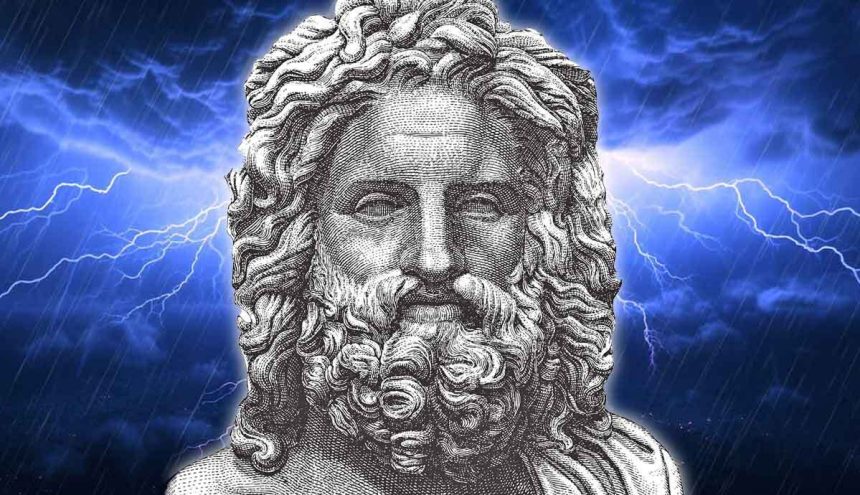
Zeus is one of the most well-known figures in Greek mythology. As the ruler of Mount Olympus and the king of the gods, Zeus has inspired stories, artwork, literature, and modern entertainment for thousands of years. His influence extends beyond ancient myths, shaping modern culture through books, films, games, and educational studies. Understanding Zeus provides insight into ancient Greek beliefs, values, and the way mythology continues to influence today’s world.
Who Is Zeus?
Zeus is the supreme deity in Greek mythology. He is considered the god of the sky, thunder, lightning, law, justice, and order. Ancient Greeks believed that Zeus ruled over both gods and humans from his throne on Mount Olympus.
As the youngest son of the Titans Cronus and Rhea, Zeus played a central role in overthrowing the Titans and establishing a new era ruled by the Olympian gods. His leadership and authority made him one of the most respected and powerful figures in mythology.
The Birth Story of Zeus
The story of Zeus begins with a prophecy that Cronus would one day be overthrown by one of his children. To prevent this, Cronus swallowed each child immediately after birth.
When Zeus was born, his mother Rhea devised a clever plan. She hid Zeus on the island of Crete and gave Cronus a stone wrapped in blankets instead of the baby. Cronus swallowed the stone without realizing the deception.
Zeus grew up in secret and eventually returned to challenge his father. He forced Cronus to release his swallowed siblings, including Poseidon, Hades, Hera, Demeter, and Hestia. Together, they fought the Titans in a great war known as the Titanomachy.
Zeus and the Olympian Gods
After defeating the Titans, Zeus and his brothers divided the universe among themselves.
The three main rulers became:
- Zeus ruled the sky.
- Poseidon ruled the sea.
- Hades ruled the underworld.
Although each brother controlled a different realm, Zeus remained the supreme ruler and leader of the Olympian gods. His decisions were respected throughout both heaven and earth.
Powers and Symbols of Zeus
Zeus possessed extraordinary powers that reflected his status as king of the gods.
Some of his most famous abilities included:
- Controlling lightning and thunder
- Commanding storms
- Maintaining justice
- Protecting kings and rulers
- Enforcing oaths
- Guiding destiny
Several symbols are strongly connected with Zeus.
The Lightning Bolt
The lightning bolt is Zeus’s most recognizable weapon. It represented divine authority and immense power.
The Eagle
The eagle symbolizes strength, wisdom, and royal authority. It often served as Zeus’s sacred animal.
The Oak Tree
The oak tree represented endurance, protection, and sacred wisdom. Many temples dedicated to Zeus featured sacred oak groves.
Family of Zeus
Zeus had a large and complex family. His wife was Hera, the goddess of marriage and family. However, mythology often describes Zeus having relationships with many other goddesses and mortal women.
Some of his famous children include:
- Athena
- Apollo
- Artemis
- Hermes
- Ares
- Dionysus
- Persephone (in some traditions)
- Heracles
These children became major figures in Greek mythology, each representing different aspects of life and nature.
Zeus in Greek Mythology
Many legendary stories feature Zeus as the central figure. Some of the most famous myths include:
Defeating the Titans
Zeus united his siblings and defeated the Titans, establishing the reign of the Olympian gods.
Prometheus and Fire
When Prometheus gave fire to humanity, Zeus punished him by chaining him to a mountain where an eagle ate his liver each day.
Pandora’s Box
Zeus ordered the creation of Pandora, whose curiosity released many hardships into the world while leaving hope behind.
Europa
According to legend, Zeus transformed into a beautiful white bull to win the trust of Europa before carrying her across the sea.
Mount Olympus: Home of Zeus
Mount Olympus served as the legendary home of Zeus and the Olympian gods.
The mountain symbolized divine power and perfection. Ancient Greeks believed the gods lived in magnificent palaces above the clouds, where Zeus presided over meetings and settled disputes among both gods and mortals.
Even today, Mount Olympus remains one of Greece’s most famous natural landmarks.
Zeus in Ancient Greek Religion
Zeus was not only a mythological character but also a central figure in Greek religion.
People prayed to Zeus for:
- Good weather
- Successful harvests
- Victory in battle
- Justice
- Protection during travel
- Peace and prosperity
Large temples dedicated to Zeus were built throughout ancient Greece, attracting pilgrims from many regions.
The Temple of Zeus
One of the greatest monuments honoring Zeus was the Temple of Olympian Zeus in Athens.
Another famous sanctuary stood at Olympia, where athletes gathered to compete in honor of Zeus during the ancient Olympic Games.
These temples reflected the importance of Zeus in everyday Greek life and religious traditions.
Zeus in Art and Literature
Artists have portrayed Zeus for over two thousand years.
Common artistic features include:
- Long flowing beard
- Muscular body
- Throne
- Lightning bolt
- Eagle companion
Ancient poets such as Homer and Hesiod described Zeus in epic works that remain influential today.
Renaissance artists later revived these myths in paintings and sculptures, helping preserve Zeus’s image across generations.
Zeus in Modern Popular Culture
The influence of Zeus continues in modern entertainment.
He appears in:
- Movies
- Television series
- Video games
- Novels
- Comics
- Educational books
Many modern adaptations reinterpret Zeus while maintaining his role as the ruler of the gods. Characters inspired by Zeus frequently possess abilities related to thunder, leadership, and immense strength.
Interesting Facts About Zeus
Here are several fascinating facts about Zeus:
- Zeus is the Roman god Jupiter’s Greek counterpart.
- His lightning bolts were crafted by the Cyclopes.
- He ruled from Mount Olympus.
- Zeus was considered the protector of hospitality.
- Many ancient Greek city-states honored Zeus with festivals.
- The Olympic Games were originally held in his honor.
- His sacred bird is the eagle.
- His sacred tree is the oak.
Why Zeus Remains Important Today
The stories of Zeus continue to teach valuable lessons about leadership, justice, responsibility, and human nature.
Scholars study Greek mythology to better understand ancient civilizations, while writers and filmmakers continue to adapt Zeus’s adventures for modern audiences.
The enduring popularity of Zeus demonstrates the timeless appeal of mythology and storytelling.
Common Misconceptions About Zeus
Many people assume Zeus was simply a god of thunder. In reality, his responsibilities extended much further.
He represented:
- Justice
- Leadership
- Kingship
- Law
- Order
- Hospitality
- Protection
Understanding these broader roles helps explain why Zeus occupied the highest position among the Olympian gods.
Lessons from the Myth of Zeus
Greek myths involving Zeus often emphasize important values.
Some recurring themes include:
- Power should be balanced with wisdom.
- Justice is necessary for peace.
- Pride can lead to downfall.
- Courage overcomes impossible challenges.
- Leadership requires responsibility.
These lessons remain meaningful in modern society and contribute to the lasting relevance of Zeus.
Conclusion
Zeus remains one of the most iconic figures in world mythology. As the king of the Greek gods, he represented authority, justice, and the forces of nature. His legendary battles, powerful symbols, and influential family shaped countless myths that continue to inspire people around the globe.
Whether explored through ancient literature, historical research, or modern entertainment, Zeus stands as a timeless symbol of leadership, strength, and the enduring power of storytelling. His legacy continues to captivate readers, historians, and mythology enthusiasts, ensuring that the legend of Zeus will remain relevant for generations to come.