Insurance renewal offers an excellent opportunity to review financial protection, identify coverage gaps, and ensure a policy still meets changing needs. Many policyholders renew existing plans without examining coverage limits, deductibles, exclusions, or premium changes. However, overlooking these details can create financial difficulties when unexpected events occur.
Understanding insurance coverage limits helps individuals and families make informed decisions before signing a renewal agreement. Whether reviewing health, auto, home, or life insurance, checking important policy details can prevent unpleasant surprises and provide greater financial security. A careful review also helps policyholders determine whether their current coverage remains suitable for their circumstances.
Read More: Deductible Changes Can Significantly Affect Insurance Costs
Understanding Insurance Coverage Limits
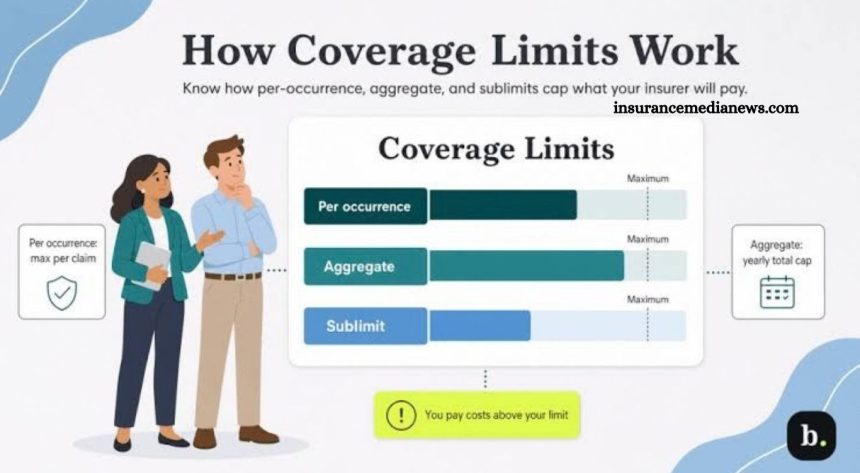
Insurance coverage limits represent the maximum amount an insurance company agrees to pay for a covered claim. These limits vary depending on the policy type, selected benefits, and terms established by the insurer. Some policies include separate limits for individual claims, specific categories of damage, or total payments during a policy period.
Reviewing these limits before renewal helps determine whether existing protection remains adequate. Rising repair costs, medical expenses, property prices, and other financial changes may reduce the effectiveness of older coverage amounts. Increasing limits when necessary can help reduce the risk of paying substantial expenses from personal savings.
Review Liability Coverage Before Renewal
Liability coverage protects policyholders against certain financial responsibilities when they cause injury, property damage, or other covered losses involving another party. Auto insurance and homeowners insurance commonly include liability protection, although coverage amounts and conditions differ between policies.
Reviewing liability limits is especially important because serious accidents or legal claims can create expenses that exceed basic coverage. Policyholders should examine both per-incident limits and any overall limits applicable to their plans. Choosing appropriate liability protection can help safeguard personal assets while reducing exposure to unexpected financial obligations.
Check Property and Asset Protection Limits
Homeowners and renters should review the coverage available for buildings, personal belongings, furniture, electronics, and other valuable possessions. Property insurance limits should reflect current replacement costs rather than outdated purchase prices or estimates.
Construction materials, labor, and household goods can become more expensive over time. Consequently, an insurance policy that provided sufficient protection several years ago may no longer cover the full cost of rebuilding or replacing damaged property. Policyholders should review property valuations and discuss appropriate coverage adjustments with their insurers before renewal.
Examine Health Insurance Benefit Limits
Health insurance policies can include annual benefit limits, hospitalization allowances, room charges, treatment restrictions, or specific limits for particular medical services. Although coverage structures vary significantly by provider and location, understanding these conditions helps policyholders evaluate the protection available during medical emergencies.
Reviewing health insurance benefits also helps identify changes in premiums, deductibles, copayments, provider networks, and prescription coverage. Individuals should confirm whether preferred hospitals, doctors, and treatments remain covered under the renewed plan. Comparing these details can help prevent unexpected medical expenses and support better healthcare planning.
Understand Deductibles and Out-of-Pocket Expenses
Deductibles represent the amount a policyholder must pay toward certain covered expenses before insurance benefits apply. Depending on the policy, additional costs may include copayments, coinsurance, or other charges that remain the customer’s responsibility.
Lower premiums sometimes come with higher deductibles or increased out-of-pocket expenses. Therefore, comparing renewal offers based solely on monthly or annual premiums may lead to an unsuitable decision. Policyholders should calculate how much they could comfortably pay after a claim and select a balance between affordable premiums and manageable financial responsibilities.
Check Exclusions and Coverage Restrictions
Insurance policies contain exclusions describing circumstances, losses, or events that the insurer does not cover. Certain plans may also impose waiting periods, special conditions, geographical restrictions, or requirements that must be satisfied before a claim qualifies for payment.
Reviewing exclusions before renewal helps policyholders understand the boundaries of their protection. For example, property insurance may treat floods, earthquakes, or gradual damage differently from other covered events. Similarly, health insurance may apply specific restrictions to certain treatments. Customers should ask their insurers about unclear conditions and consider additional coverage when important risks fall outside their existing policies.
Evaluate Coverage for Valuable Personal Belongings
Standard home and renters insurance policies may restrict payments for expensive items such as jewelry, watches, artwork, collectibles, and specialized electronic equipment. These restrictions can leave policyholders responsible for significant losses even when their belongings are technically insured.
Before renewing a policy, review individual item limits and determine whether valuable possessions require additional protection. Some insurers offer scheduled personal property coverage or separate endorsements for eligible items. Maintaining receipts, photographs, appraisals, and updated inventories can also support the claims process if belongings become damaged, stolen, or destroyed.
Consider Inflation and Changing Financial Needs
Inflation can gradually reduce the value of insurance protection. Medical treatment, vehicle repairs, construction materials, and replacement goods may cost considerably more than they did when a policy was first purchased.
Personal circumstances can also change between renewals. Buying a home, purchasing a vehicle, starting a family, renovating a property, or acquiring valuable possessions may create new insurance requirements. Reviewing coverage annually helps ensure that policy limits remain aligned with current assets, responsibilities, and financial goals.
Compare Renewal Offers From Different Insurers
Renewing with the same insurance company may feel convenient, but comparing alternative offers can reveal differences in coverage limits, premiums, deductibles, exclusions, and customer service. A lower-priced policy does not automatically provide better value if it offers substantially less protection.
Request comparable quotes from multiple insurers and examine the actual policy terms rather than relying exclusively on advertised prices. Customers should also review claim procedures, insurer reliability, renewal conditions, and applicable fees. Before switching providers, confirm that the replacement policy will begin before the existing coverage expires to avoid an unintended gap in protection.
Ask Questions Before Accepting Renewal Terms
Insurance documents can contain technical language that makes certain restrictions difficult to understand. Asking clear questions before renewal helps policyholders identify important changes and make informed decisions.
Request written clarification about coverage limits, exclusions, claim requirements, premium increases, and available endorsements. Customers should also confirm whether the insurer has changed any policy conditions since the previous term. Keeping copies of renewal documents, payment receipts, and written explanations can make future claims easier to manage.
Frequently Asked Questions
Why should I check insurance coverage limits before renewal?
Reviewing coverage limits helps identify gaps and ensures adequate financial protection.
Can insurance coverage limits change at renewal?
Yes, insurers may revise coverage limits, premiums, deductibles, or policy conditions.
What happens if a claim exceeds my coverage limit?
You may need to pay the remaining expenses yourself.
How often should I review my insurance policy?
Review your policy annually and whenever your financial circumstances change.
Should I compare insurance policies before renewing?
Yes, comparing policies helps you find suitable coverage at a competitive price.
Do higher coverage limits increase insurance premiums?
Generally, higher limits can increase premiums, depending on the insurer and policy type.
What should I check besides coverage limits?
Review deductibles, exclusions, liability protection, premium changes, and claim conditions.
Conclusion
Reviewing coverage limits before renewing an insurance policy helps ensure adequate financial protection and prevents unexpected expenses. Policyholders should carefully examine liability coverage, property protection, health benefits, deductibles, exclusions, and premium changes. Comparing different insurance offers can also help identify better coverage options at affordable rates.