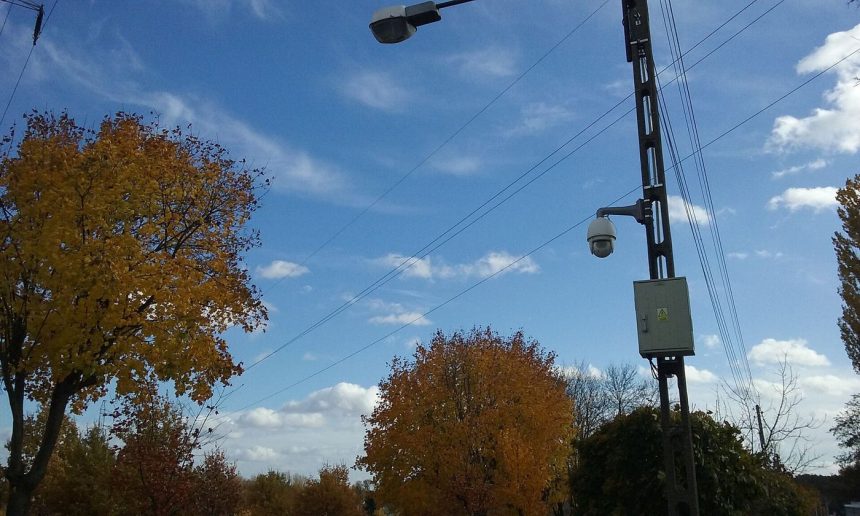
A camera above a busy street can now do more than record: software can match a face against a watchlist in seconds, and that capability has split cities, lawmakers and police forces around the world. Supporters say live facial recognition helps find missing children and stop serious crime before it happens. Critics warn that the same systems can misidentify innocent people, track crowds without consent and normalise constant surveillance. The European Union drew the sharpest line so far: its AI Act, in force since August 2024, bans real-time remote biometric identification in publicly accessible spaces for law enforcement, with the prohibition applying from 2 February 2025 and fines of up to 35 million euros or 7 percent of worldwide turnover. In the United States there is no federal ban, but San Francisco barred its own agencies from using the technology in 2019 and other cities have followed with their own ordinances.
What the Evidence Shows
The European ban is not absolute. Police may still use live facial recognition in narrow cases, such as searching for victims of abduction or trafficking, preventing an imminent threat, or locating suspects of serious crime, and only with prior authorisation from a judge or an independent authority. Sweden went further in the other direction: a law in force from 1 July 2026 lets its police use live face recognition where it is absolutely necessary to locate or identify a specific person. Technology used on recorded footage after an event is treated separately as high-risk rather than banned, and the European Commission’s AI Omnibus, in force since 27 July 2026, moved the date those high-risk rules apply to 2 December 2027. For residents, the practical question is who decides, and who checks, when a camera stops merely watching and starts identifying. Reporting and analysis from sources such as Reuters track the same developments, and specialists following facial recognition in public spaces say the direction is now consistent across independent lines of evidence.
The Wider Context
The wider context is a public conversation conducted at a speed institutions were not built for. Developments around facial recognition in public spaces are announced, contested and revised within a single news cycle, and the officials involved have learned to publish evidence alongside claims so that scrutiny can actually occur. Trust, the polling suggests, follows that transparency more than it follows confidence.
What Happens Next
What happens next in the story of facial recognition in public spaces will be decided in the places where it is being implemented, measured and argued about in public. The officials and organisations involved have committed to publishing progress data, and that commitment gives residents, businesses and journalists something firmer than promises to judge. The next milestones are dated, which means they can be checked. You can follow related developments in our coverage of news.
There is a practical lesson in all of this for readers deciding what to do today. Start with the verified facts, be wary of anyone promising certainty, and prefer reversible steps while the evidence is still developing. Circumstances differ by country, income and personal situation, so general guidance should always be weighed against your own context before you act on it in any significant or lasting way.