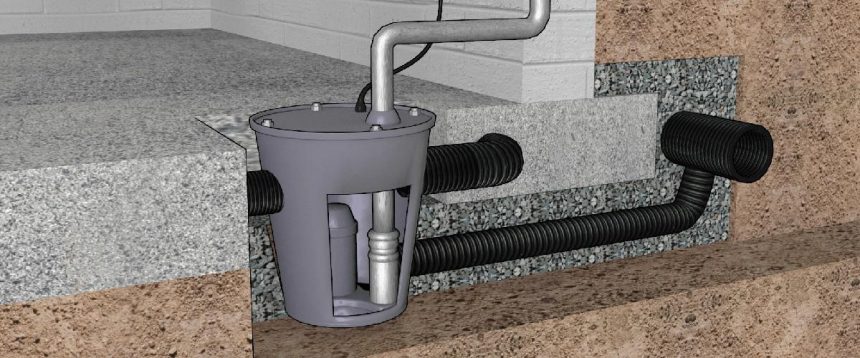
A basement is often the most vulnerable part of a home because it sits below ground level where groundwater, moisture, and unpredictable weather patterns naturally collect. In many homes I’ve inspected, I’ve seen how sump pumps quietly act as the first line of defense against basement flooding, even when homeowners are completely unaware of rising risks beneath their feet. What makes this system so critical is its ability to continuously manage water accumulation before it turns into structural damage or expensive insurance claims.
When flooding occurs, it doesn’t just damage floors and walls – it creates a chain reaction of insurance claims, rising premiums, and long-term property value loss. This is why preventive systems like sump pump installations are becoming essential rather than optional. At Paul’s Basement Waterproofing, serving the Southern Ontario region, solutions are designed specifically for long-term water protection, ensuring each property remains dry, stable, and safe even during extreme weather conditions.
Modern homes depend heavily on systems that silently manage risk. A properly installed sump pump reduces exposure to water damage, protects building integrity, and strengthens overall home safety. In fact, many insurers now recognize such systems as mitigation tools that directly reduce claim frequency and financial loss.
How Sump Pumps Prevent Basement Flooding
A sump pump works in a surprisingly simple but highly effective way. Water naturally collects in a low point known as the sump pit, often entering through drainage systems or groundwater flow. Once the water reaches a certain level, the pump automatically activates and begins moving it away from the foundation.
This continuous cycle ensures that water levels never reach a dangerous threshold. From my experience, homes without this system often struggle with repeated structural damage because water is allowed to accumulate unchecked. The pump essentially interrupts this process by redirecting water away from the home before it becomes a problem.
When functioning correctly, sump pumps reduce pressure on foundation walls, prevent cracking, and eliminate long-term dampness. It is one of the most efficient ways to maintain a dry basement without requiring constant human intervention.
Reduction in Insurance Claims
Insurance companies closely monitor water damage claims, and they remain among the most frequent and costly issues for homeowners. Installing a sump pump significantly lowers the risk of filing such claims because it actively prevents flooding before it happens.
Homes equipped with preventive systems often benefit from reduced insurance premiums. This is because insurers view sump pumps as a form of risk mitigation that reduces claim probability. Over time, this translates into meaningful financial savings.
In real-world scenarios, I’ve seen homeowners avoid thousands in repair costs simply because their sump pump activated during heavy rainfall. Without it, even a small storm can trigger basement flooding, leading to flooring damage, mold remediation, and insurance paperwork that could have been avoided entirely.
Importance of Backup Power Systems
One critical issue many homeowners overlook is what happens during a power outage. Ironically, storms that cause flooding often also cause electrical failures. This is where backup sump pumps and battery systems become essential.
Without secondary power, even the most advanced system becomes useless at the exact moment it is needed most. Backup systems ensure continuous operation, keeping water levels under control even when the main power supply fails.
From a practical standpoint, homes without backup protection face significantly higher flood risk. Reliability depends not just on the pump itself, but on uninterrupted power availability during emergencies.
Maintenance and Longevity of Sump Pumps
Like any mechanical system, sump pumps require consistent maintenance to remain effective. Cleaning the sump pit, checking the float switch, and testing the system regularly helps prevent unexpected failures.
A well-maintained system can function efficiently for years, but neglect leads to pump failure precisely when it is needed most. I’ve seen cases where minor blockages or unnoticed wear caused complete system breakdown during heavy rainfall.
Routine inspections help identify issues early and extend equipment lifespan. This small effort significantly reduces the risk of costly flooding events and emergency repairs.
Impact on Property Value and Safety
Installing a sump pump does more than protect against water – it directly improves property value. Buyers increasingly look for homes with built-in flood prevention systems because they reduce future financial risk.
A dry basement also contributes to healthier living conditions by preventing mold growth, damp odors, and structural weakening. This improves both indoor air quality and overall comfort.
Homes with reliable flood protection systems are viewed as safer investments. They signal responsible maintenance and reduce uncertainty for future buyers.
Installation Considerations
Proper installation is the foundation of system performance. The sump pit must be placed at the lowest point of the basement to ensure maximum efficiency. Soil conditions, drainage patterns, and foundation structure all influence performance outcomes.
Professional installation is strongly recommended because incorrect setup can lead to system failure. Poor alignment or improper drainage routing reduces effectiveness and increases flood risk.
At this stage, many homeowners choose expert services like sump pump installation Windsor to ensure the system is configured correctly for long-term protection.
Correct installation ensures that water is efficiently redirected away from the home, preventing unnecessary stress on foundation walls and reducing future repair costs.
Environmental and Health Benefits
Beyond structural protection, sump pumps also contribute to a healthier indoor environment. By reducing moisture levels, they prevent the growth of mold and mildew, both of which negatively impact air quality.
Lower humidity discourages pests and bacteria, creating a cleaner living environment. This is especially important in basements that are used as living spaces or storage areas.
Over time, maintaining a dry environment improves respiratory health and reduces allergen exposure, making the entire home safer and more comfortable.
Insurance Risk Reduction and Long-Term Value
Flood prevention systems are increasingly recognized by insurers as effective tools for reducing claims. Homes with sump pumps are statistically less likely to experience repeated water damage incidents.
This not only helps avoid claims but also stabilizes long-term insurance costs. Preventive investment today reduces unpredictable expenses in the future, making sump pump installation one of the most practical home improvements available.