• Home
  • Insurance
  • Business
  • News
  • Health
  • Education
  • Home
  • Insurance
  • Business
  • News
  • Health
  • Education

A Simple Blood Test Could Flag Crohn’s and Colitis a Decade Before Diagnosis

Riccardo Fontana
By Riccardo Fontana
October 19, 2026
5 Min Read
Share
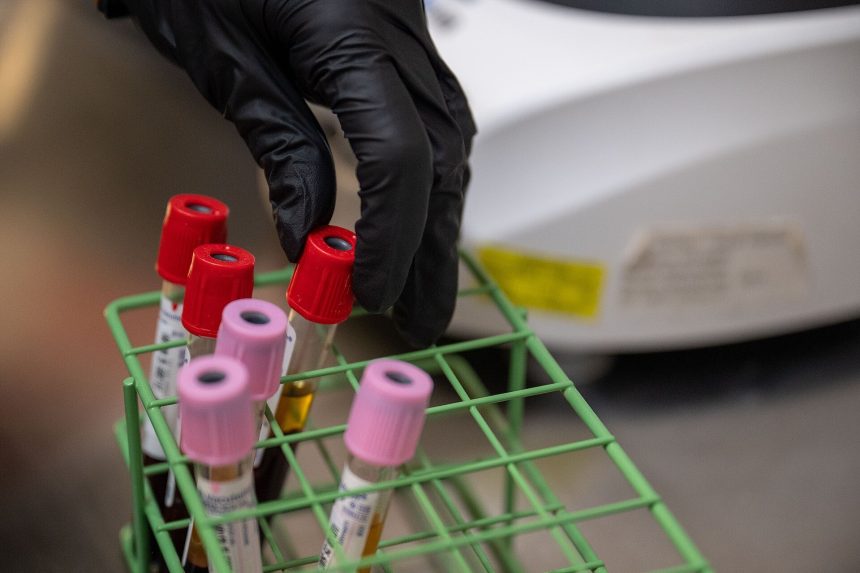
Blood samples being analysed in a medical laboratory

For people with Crohn’s disease and ulcerative colitis, diagnosis usually arrives after months or years of unexplained pain, fatigue and emergency visits — by which time the bowel may already be badly damaged. New research suggests that story could be rewritten: scientists report that signals in a routine blood sample may reveal these inflammatory bowel diseases up to ten years before symptoms force a diagnosis. It is exactly the kind of development our health desk watches, because early detection is the closest thing medicine has to a cheat code.

Contents
What the researchers foundWhy a decade’s head start mattersFrom biobank to GP surgery: the honest hurdlesHow it could fit into careWhat patients should take from the newsThe bottom line

What the researchers found

The work draws on large biobank studies that stored blood from thousands of volunteers years before some of them developed inflammatory bowel disease (IBD). Analysing those samples, researchers identified patterns — proteins and immune markers associated with inflammation and gut-barrier dysfunction — that differed measurably a decade before diagnosis. No single marker was decisive; the signal lives in a panel of them, interpreted together. The approach mirrors breakthroughs in other diseases, where ‘multi-marker’ blood signatures are detecting cancers and neurological conditions years earlier than symptoms allow, and it builds on the discovery that IBD’s biology begins long before its symptoms.

Why a decade’s head start matters

Modern IBD treatment is far more effective when started early. Biologic therapies and newer oral drugs can induce remission and prevent the strictures, fistulas and surgeries that accumulate when inflammation runs unchecked. Trials increasingly show that early, aggressive treatment changes the disease’s long-term course rather than merely quieting flares. A test that names at-risk patients years ahead raises tantalising possibilities: monitoring protocols, preventive trials, and at minimum a fast lane to diagnosis when the first symptoms appear. Patient organisations such as the Crohn’s & Colitis Foundation have long campaigned for shorter diagnostic delays, currently one of patients’ most bitter complaints.

From biobank to GP surgery: the honest hurdles

Between this result and a clinic test lies the usual valley: validation in more diverse populations, standardising the assay, establishing what threshold should trigger action, and proving that acting early actually improves outcomes. There are ethical wrinkles too — telling a healthy 25-year-old she has a meaningful chance of a chronic disease creates anxiety and insurance questions, especially when no proven preventive treatment yet exists. Cost matters as well: screening everyone is wasteful, so the realistic first use is targeted — people with a family history of IBD, unexplained anaemia, or early vague symptoms that doctors currently watch and wait on.

How it could fit into care

Imagine the pathway: a blood panel added to tests for patients in risk groups; a high score triggers calprotectin testing and gastroenterology referral rather than reassurance; surveillance catches inflammation at the stage where drugs work best. Health systems advised by bodies such as the NIDDK already emphasise early specialist involvement. Insurers, too, should note the arithmetic: a decade of managed early disease is cheaper than emergency admissions and bowel surgery.

What patients should take from the news

This is a research milestone, not yet a test you can request. People with persistent gut symptoms should not wait for futuristic diagnostics — current pathways exist and early presentation still helps enormously. But the direction of travel is clear across medicine: disease is becoming detectable in its silent phase, and the winners will be conditions, like IBD, where early treatment bends the curve.

The bottom line

A blood test that hears Crohn’s and colitis whispering ten years before they shout would transform two diseases defined by late diagnosis. The science now needs validation, and health systems need plans for what to do with foreknowledge. Both are worth the effort: in IBD, time is bowel, and this research promises patients a great deal more of it.

TAGGED:Crohn's DiseaseDiagnosticsHealthMedical Research
Share This Article
Facebook Copy Link Print
Previous Article Scientist working at a scanning electron microscope in a laboratory Who Watches for the Next Outbreak? The Workforce Behind Disease Surveillance
Next Article A bowl of fresh fruit including oranges, limes and apples An Extra Serve of Fruit a Day: What a 6,500-Teen Study Found Over Three Years
Leave a Comment Leave a Comment

Leave a Reply Cancel reply

Your email address will not be published. Required fields are marked *

Search

Recent Posts

An older adult receives a vaccination from a nurse in a bright clinic room.
Older Adults Book Winter Vaccinations Before the Cold Sets In
Health
A road leading to a border crossing with signs and fencing.
Migration Policy Changes Reshape Border Communities
News
A bowl of fresh vegetables drizzled with olive oil sits on a rustic wooden table.
Olive Oil and Fresh Vegetables Anchor the Mediterranean Way of Eating
Health
A community clinic waiting room with chairs and a reception desk where patients wait for appointments.
Mobile Clinics Bring Healthcare to Remote Communities
News
How Signage Influences Customer Decisions and Business Visibility
Business
Nagapetir in Focus: The Role of Responsive Design in Online Gaming
Gaming

You Might Also Like

Comprehensive Guide to Vegan Food for Beginners

Comprehensive Guide to Vegan Food for Beginners

Health
A worker relaxes during a short break in a bright office wellbeing area.

Workplace Micro-Breaks Cut Stress Without Cutting Productivity

Health
An older adult exercising with a resistance band, representing safe home strength training to maintain muscle and mobility.

Resistance Bands Help Older Adults Build Strength Safely At Home

Health
Can a Habit Loop Help You Meet Your Health Goals

Can a Habit Loop Help You Meet Your Health Goals?

Health

About Us

InsuranceMediaNews offers real-time updates and expert insights into the global insurance industry.

Covering market trends, regulatory changes, and key developments to keep professionals informed on industry shifts and innovations. #InsuranceMediaNews

สล็อตเว็บตรง | บาคาร่า | ทางเข้าufabet | ufabet168 | ufa888 | สล็อตเว็บตรง | สล็อต | สล็อต | ufabet | สล็อต | สล็อตเว็บตรง | สล็อตเว็บตรง | สล็อตออนไลน์ | สล็อตเว็บตรง | ยูฟ่า222 | บาคาร่า | UFA365 | แทงหวย | สล็อต | บาคาร่า | ยูฟ่าเบท365 | BetPlay hoy | แทงหวย | บ้านผลบอล | สล็อต | ufa | สล็อต || แทงบอลออนไลน์ || เว็บแทงบอล

Popular Posts

An older adult receives a vaccination from a nurse in a bright clinic room.
Older Adults Book Winter Vaccinations Before the Cold Sets In
November 15, 2026
A road leading to a border crossing with signs and fencing.
Migration Policy Changes Reshape Border Communities
November 15, 2026
A bowl of fresh vegetables drizzled with olive oil sits on a rustic wooden table.
Olive Oil and Fresh Vegetables Anchor the Mediterranean Way of Eating
November 14, 2026

Contact Us

Need assistance or have a query? We’re ready and happy to help however we can!

Email: contact@outreachmedia .io
Facebook Page:  Outreach Media
Phone: +92 3055631208
Address: 55 Raritan Ave, Highland Park, New Jersey

| สล็อต | สล็อตเว็บตรง | ทดลองเล่นสล็อต | Slot gacor | UFA365 | สล็อต | แทงบอลออนไลน์

Copyright © 2026 | InsuranceMediaNews | All Rights Reserved

  • About Us
  • Contact Us
  • Privacy Policy
  • Disclaimer
  • Terms and Conditions
  • Write For Us
  • Sitemap

WhatsApp us

Welcome Back!

Sign in to your account

Username or Email Address
Password

Lost your password?